Importance of Breast Cancer Screening

Breast cancer is one of the most common types of cancer, affecting millions of people worldwide. Early detection is crucial because it significantly improves the chances of successful treatment and survival. While advanced medical screenings like mammograms play a key role in identifying cancer, self-awareness and routine self-examinations are also important in detecting abnormalities early on. Breast cancer screening involves a combination of these methods, and understanding its importance can save lives.

Early Detection Saves Lives

Breast cancer, like many other types of cancer, is more treatable in its early stages. When detected early, the cancer is usually confined to the breast, making it easier to treat. According to cancer statistics, the five-year survival rate for localized breast cancer (stage 1) can be as high as 99%. This rate declines significantly once the cancer has spread to other parts of the body. By detecting breast cancer before it progresses to advanced stages, many patients can avoid more aggressive forms of treatment such as chemotherapy and radiation. Treatments are often less invasive, recovery times are shorter, and overall outcomes are much better.

Importance of Self-Awareness

The first line of defense in detecting breast cancer is often self-awareness. Knowing how your breasts normally feel and look can help you notice any unusual changes. While hormonal changes during menstruation can sometimes cause temporary lumps or tenderness, persistent lumps or changes should be evaluated by a healthcare provider. Regular self-examinations are a simple yet effective way to stay vigilant. During these exams, you can feel for lumps, thickening, or changes in the breast tissue. It’s important to recognize that not all lumps are cancerous—some may be benign conditions like cysts. However, it’s crucial not to ignore any new or unusual findings. If you’re unsure how to perform a breast self-exam or what feels “normal,” consulting with a healthcare professional is a great place to start. While self-exams are helpful, they should be considered a supplementary tool. Medical screening methods like mammograms are essential because they can detect cancer long before a lump can be felt.

Mammograms and Breast Cancer Screening

Medical experts recommend regular breast cancer screenings, particularly for women over the age of 40. The most common form of screening is a mammogram, an X-ray of the breast that can detect abnormalities too small to be felt during a self-exam or clinical breast exam. Previously, mammogram screenings were recommended starting at age 50, but newer guidelines suggest beginning as early as age 40, especially for those with risk factors like a family history of breast cancer or the presence of the BRCA gene mutation. For women between the ages of 20 and 40, while routine mammograms are not usually recommended, it’s still a good idea to be familiar with your breasts and report any changes to a healthcare provider. Women are often encouraged to begin breast self-examinations in their 20s and discuss their family history of cancer with a doctor who can recommend a screening schedule tailored to their risk level.

Understanding Breast Cancer in Men

Though breast cancer is more common in women, men can also develop breast cancer, though it is much rarer. Men often overlook the possibility of breast cancer due to its association with women, but any lumps or changes in the breast area of a man should be taken seriously. Because men do not experience the same hormonal fluctuations as women, any lump in the breast area is considered abnormal. Male breast cancer is usually detected at a more advanced stage due to a lack of awareness. Just like in women, early detection significantly improves the chances of survival and makes treatment less invasive.

Risk Factors and Genetic Considerations

People with a family history of breast cancer should be particularly vigilant. If breast cancer runs in the family or if you carry the BRCA gene mutation, it’s essential to begin screenings earlier and perhaps more frequently than the general population. Genetic testing can also help in identifying risks and tailoring a screening plan suited to your situation.

Reducing Anxiety Through Screening

One often-overlooked benefit of breast cancer screening is the peace of mind it offers. Waiting and worrying about whether a lump or abnormality is cancerous can be incredibly stressful. Screening helps to either rule out cancer or diagnose it in its early stages, allowing for timely intervention. If the results of a mammogram or ultrasound come back normal, it can provide relief and reduce anxiety about breast health. On the other hand, if breast cancer is detected, the screening allows for early intervention, which leads to better outcomes and more treatment options. Breast cancer screening is a critical tool in the fight against breast cancer. Early detection saves lives, reduces the need for aggressive treatments, and improves overall outcomes. Self-awareness and routine self-examinations, along with medical screenings like mammograms, form a comprehensive approach to monitoring breast health.

Whether you’re at low risk or have a family history of breast cancer, it’s important to stay proactive about breast cancer screening. Early detection is key, and regular screenings can make all the difference in the prognosis and treatment of breast cancer.

Calcium Score Test: A Key to Your Heart Health

What is a Calcium Score Test?

A Calcium Score Test is a CT (computed tomography) scan that assesses the amount of calcium in your coronary arteries. Calcium deposits can indicate plaque buildup, which may lead to heart disease.

Who Should Consider This Test?

This test is useful for individuals between 40 and 70 who are at increased risk for heart disease but do not have clear symptoms. It is particularly recommended if you:

  • Have a family history of heart disease
  • Use tobacco
  • Have high cholesterol, diabetes, or high blood pressure
  • Are overweight or obese
  • Lead a sedentary lifestyle

Individuals under the age of 40 with a family history of high cholesterol may also consider undergoing this test.

Test Details

How It Works:

A Calcium Score Test involves a quick, non-invasive CT scan of the heart. You will lie on a table that moves into a scanner, while electrodes monitor your heart’s electrical activity.

What to Expect:

The scan takes a few minutes, and you may need to hold your breath briefly. The CT scanner captures images of your heart, which are analyzed for calcium deposits.

Results and Follow-Up

Understanding Your Score:

  • 0: No calcium detected – very low risk of heart attack in the next 2-5 years.
  • 1-10: Small amount of plaque – low risk, consider preventive measures.
  • 11-100: Moderate amount of plaque – higher risk; may need additional treatments.
  • 101-400: High amount of plaque – significant risk; lifestyle changes and medication may be necessary.
  • Above 400: Extensive plaque – high risk; aggressive treatment and lifestyle modifications are required.

Timing for Results:

Results may be available on the same day or within a few days. Follow up with your provider if you do not receive your results within a week or if you have additional questions.

Does the Test Show Blocked Arteries?

The test measures calcium deposits indicative of plaque but does not directly show blocked arteries.

Test Limitations:

It does not detect all forms of coronary disease, such as “soft plaque.” It is a tool to assess risk rather than a definitive measure of heart health.

Key Takeaway:

The Calcium Score Test provides important insights into your heart health by measuring calcium buildup in your arteries, helping to evaluate your risk of heart disease and guide preventive measures. Feel free to discuss with your healthcare provider to determine if this test is right for you.

Our Experts

See More
Fekry Fathy Eldeeb
Rahul Ghogre

5 PCOS Myths You Should Know

Polycystic Ovary Syndrome (PCOS) is a complex and often misunderstood condition affecting millions of women worldwide. Despite its prevalence, many myths and misconceptions surround it. Understanding PCOS is the first step toward effective management. Let’s explore some of the most common myths.

Myth #1: You Did Something Wrong to Get PCOS

One of the most prevalent misconceptions about PCOS is that it’s somehow your fault. The truth is that the exact cause of PCOS is not fully understood, and you should not blame yourself. Genetics are believed to play a significant role in the development of PCOS. Women with this condition often have elevated levels of androgens, commonly known as male hormones, leading to irregular menstrual cycles and difficulties with ovulation. In PCOS, follicles may develop, but eggs are not released, preventing ovulation. Hormonal imbalances can cause cyst formation and reduce progesterone production, further contributing to irregular cycles. Additionally, many women with PCOS experience insulin resistance, which can exacerbate symptoms and increase androgen levels. A family history of PCOS can also heighten your risk of developing the condition.

Myth #2: Weight Loss Will Cure PCOS

While there is no complete cure for PCOS, lifestyle changes, such as weight loss, can help manage the condition, especially for those who are overweight or obese. Losing excess weight can help balance hormone levels and improve insulin sensitivity, alleviating some symptoms. However, weight loss alone is not a cure. Treatment typically focuses on managing symptoms rather than eliminating the condition. A combination of healthy eating, regular exercise, and sometimes medication can help regulate menstrual cycles, lower androgen levels, and prevent long-term health risks. For those not seeking pregnancy, birth control pills can regulate cycles and reduce the risk of endometrial cancer by balancing estrogen levels. However, they can increase the risk of blood clots in certain women, especially those over 40 or with obesity, so consulting with your doctor about the best treatment options is essential. For women trying to conceive, fertility medications can stimulate ovulation, while procedures like ovarian drilling may temporarily lower androgen levels, though they carry risks, such as scar tissue formation.

Myth #3: PCOS is a Rare Health Condition

Contrary to popular belief, PCOS is not rare. In fact, it is one of the most common endocrine disorders in women. Despite its prevalence, many women remain undiagnosed or misdiagnosed, leading to prolonged suffering from symptoms like infertility, irregular cycles, and hormonal imbalances. The PCOS Foundation estimates that about 70% of fertility issues in women with ovulation difficulties are linked to PCOS.

Myth #4: You Can’t Conceive if You Have PCOS

This myth causes unnecessary fear among women with PCOS. While it’s true that PCOS can make conception more challenging, it does not make pregnancy impossible. Many women with PCOS successfully conceive with proper fertility treatments. A variety of fertility medications can stimulate ovulation, improving chances of conception. In more advanced cases, assisted reproductive technologies like in vitro fertilization (IVF) may be recommended. Doctors advise that women with PCOS who are not trying to get pregnant should still use contraceptive methods, as intermittent ovulation can occur, making pregnancy possible even without regular cycles.

Myth #5: PCOS Only Affects Overweight and Obese Women

While it is true that many women with PCOS are overweight or obese, the condition can affect women of all shapes and sizes. Obesity can exacerbate PCOS symptoms, but weight is not the sole factor contributing to the condition. The core issue in PCOS is how the body processes insulin, and insulin resistance can lead to weight gain. However, thin women can also develop PCOS, proving that it doesn’t exclusively affect those with higher body weights. Regardless of body type, adopting a healthy lifestyle, including balanced eating and regular physical activity, is vital for managing PCOS and improving insulin sensitivity.

By debunking these common myths, women can take control of their health and feel empowered to seek appropriate treatment for PCOS. Managing the condition involves understanding its complexities, including the interplay of hormones, genetics, and lifestyle factors. With the right support, women can lead healthy, fulfilling lives despite the challenges posed by PCOS. If you suspect you have PCOS or have been diagnosed with it, talk to our healthcare provider about the best ways to manage your symptoms and protect your long-term health.

Our Experts

See More
Sagimole Tojichen
Anu Bansal
Elizabeth Mathew
Nagendra Sardeshpande
Anil Magdum
Dildar Hussain
Shekhar Shivam
Kausar Fakih

Top 10 Lifestyle Changes to Prevent Heart Disease

Heart disease remains one of the leading causes of death globally, but the good news is that many heart conditions can be prevented with the right lifestyle choices. Adopting healthy habits not only reduces the risk of heart disease but also enhances overall quality of life. In this comprehensive guide, I’ll share the top 10 lifestyle changes that can make a significant difference in your cardiovascular health.

1 Embrace a Heart-Healthy Diet

A nutritious diet is foundational for heart health. Focus on:

  • Eating More Fruits and Vegetables: Aim for a variety of colorful produce to ensure a range of nutrients and antioxidants. These foods help reduce inflammation and support heart health.
  • Choosing Whole Grains: Foods like quinoa, barley, and brown rice are rich in fiber, which helps lower cholesterol levels and regulate blood sugar.
  • Incorporating Healthy Fats: Replace saturated fats with unsaturated fats found in avocados, nuts, and olive oil. Omega-3 fatty acids from fatty fish like salmon and sardine also support heart function and reduce inflammation.

2 Commit to Regular Physical Activity

Exercise is crucial for maintaining cardiovascular health. Aim for:

  • 150 Minutes of Moderate-Intensity Exercise per Week: Activities such as brisk walking, cycling, or swimming strengthen the heart muscle and improve circulation.
  • Strength Training Exercises: Incorporate strength training twice a week to enhance overall fitness and support cardiovascular health.

3 Achieve and Maintain a Healthy Weight

Excess weight increases the risk of high blood pressure and heart disease. To manage your weight:

  • Combine a Balanced Diet with Regular Exercise: This approach helps in achieving and sustaining a healthy weight.
  • Monitor Portion Sizes: Be mindful of portion sizes to avoid overeating, even when consuming healthy foods.

4. Quit Smoking

Smoking is a major risk factor for heart disease, as it damages blood vessels and raises blood pressure. Quitting smoking has immediate and long-term benefits:

  • Improved Circulation: Your blood pressure and heart rate return to normal levels within weeks.
  • Reduced Risk of Heart Disease: Former smokers have a lower risk of heart disease compared to current smokers.

5. Avoid Alcohol for a Healthier Heart

Alcohol can significantly impact your cardiovascular health, leading to elevated blood pressure and irregular heartbeats. For optimal heart health, it’s best to avoid alcohol entirely. By making this change, you not only lower your risk of heart disease but also enhance your overall well-being, increase your energy levels, and improve mental clarity.

6. Manage Stress Effectively

Chronic stress can have adverse effects on heart health. To manage stress:

  • Practice Relaxation Techniques: Techniques such as meditation, deep breathing exercises, and yoga can help reduce stress levels.
  • Engage in Hobbies and Leisure Activities: Make time for activities that you enjoy to alleviate stress.

7. Get Regular Health Screenings

Routine check-ups can help catch early signs of heart disease. Regular screenings include:

  • Blood Pressure Monitoring: Keep track of your blood pressure to identify any issues early.
  • Cholesterol and Blood Sugar Tests: Regular tests help manage risk factors associated with heart disease.

8. Stay Hydrated

Proper hydration supports overall health, including cardiovascular function. Aim to:

  • Drink Plenty of Water: Aim for at least 8 glasses of water per day to keep your body hydrated and support healthy circulation.

9. Prioritize Quality Sleep

Adequate sleep is essential for heart health. To improve sleep quality:

  • Maintain a Consistent Sleep Schedule: Go to bed and wake up at the same time each day to regulate your sleep cycle.
  • Create a Relaxing Bedtime Routine: Engage in calming activities before bed, such as reading or taking a warm bath.

10. Foster Strong Social Connections

Positive social interactions can boost mental health and reduce stress. To enhance social well-being:

  • Build and Maintain Relationships: Spend quality time with family and friends.
  • Participate in Community Activities: Join groups or clubs that interest you to expand your social network.

Conclusion

Implementing these lifestyle changes can greatly reduce your risk of heart disease and improve your overall health. By adopting a heart-healthy diet, staying active, and managing stress, you can make proactive choices that support your cardiovascular system. For personalized advice and support, consider consulting with a healthcare professional to tailor these recommendations to your individual needs.

Our Experts

See More
K V Dinesh Babu
Pintu Kadalayil
Negin Molazadeh
Fekry Fathy Eldeeb
Rahul Ghogre

The Impact of Stress on Heart Health: Understanding and Managing Stress

Stress is a common experience, but when chronic, it can have serious implications for heart health. Understanding how stress affects your cardiovascular system and learning effective management strategies are crucial for maintaining a healthy heart. As a consultant cardiologist, I’ll guide you through the relationship between stress and heart health, and provide actionable tips for managing stress.

How Stress Affects the Heart

Chronic stress triggers the release of stress hormones like cortisol and adrenaline, which can lead to:

  • Increased Heart Rate: Persistent stress can keep the heart working harder.
  • Elevated Blood Pressure: Long-term stress can contribute to hypertension.
  • Increased levels of inflammation: Stress is linked to higher levels of inflammation and plaque buildup in the arteries.
  • Increased blood clotting: Stress increases the chances of blood clotting
  • Increased chance of plaque rupture: Sudden surges in blood pressure can lead to rupture of atherosclerotic plaque in the arteries and trigger a heart attack.

Indirect effects of stress on the heart: Chronic or repetitive stress lead to behavioral changes that can adversely affect the heart

  • Smoking and alcohol intake
  • Over eating, Eating unhealthy diet and weight gain.
  • Lack of sleep and exercise: 

Effective Stress Management Techniques

Managing stress is important for keeping your heart healthy. Here are some simple ways to help you handle stress better:

1. Practice Mindfulness and Meditation

Engaging in mindfulness practices can help reduce stress levels by:

  • Promoting Relaxation
  • Enhancing Emotional Regulation
  • Improving Overall Well-Being

2. Exercise Regularly

Physical activity is a powerful stress reliever. It helps by:

  • Releasing Endorphins: Natural mood lifters.
  • Improving Sleep Quality: Better sleep can reduce stress.
  • Enhancing Cardiovascular Health: Regular exercise strengthens the heart.

3. Maintain a Healthy Diet

Eating a balanced diet can influence how your body handles stress. Focus on:

  • Whole Foods: Fruits, vegetables, and lean meat.
  • Reducing Caffeine and Sugar: .

4. Establish Healthy Sleep Habits

Adequate sleep is essential for managing stress. Aim for:

  • 7-9 Hours of Sleep Per Night
  • Consistent Sleep Schedule
  • A Relaxing Bedtime Routine

5. Build Strong Social Support

Connecting with friends and family can help alleviate stress. Try to:

  • Engage in Social Activities
  • Seek Support When Needed
  • Share Your Feelings and Concerns

6. Practice Deep Breathing Exercises

Deep breathing can help activate the body’s relaxation response. Techniques include:

  • Diaphragmatic Breathing
  • Progressive Muscle Relaxation

Conclusion

Understanding and managing stress is essential for maintaining heart health. By incorporating stress reduction techniques into your daily routine, you can improve your cardiovascular well-being and overall quality of life. If you need personalized guidance and support to effectively manage stress and protect your heart, Medeor Hospital in Abu Dhabi is here to help. Our experienced healthcare professionals are ready to provide tailored advice and treatment options. 

Call us today at 80055 to schedule your consultation and take the first step toward a healthier, stress-free life.

Our Experts

See More
K V Dinesh Babu
Pintu Kadalayil
Negin Molazadeh
Fekry Fathy Eldeeb
Rahul Ghogre

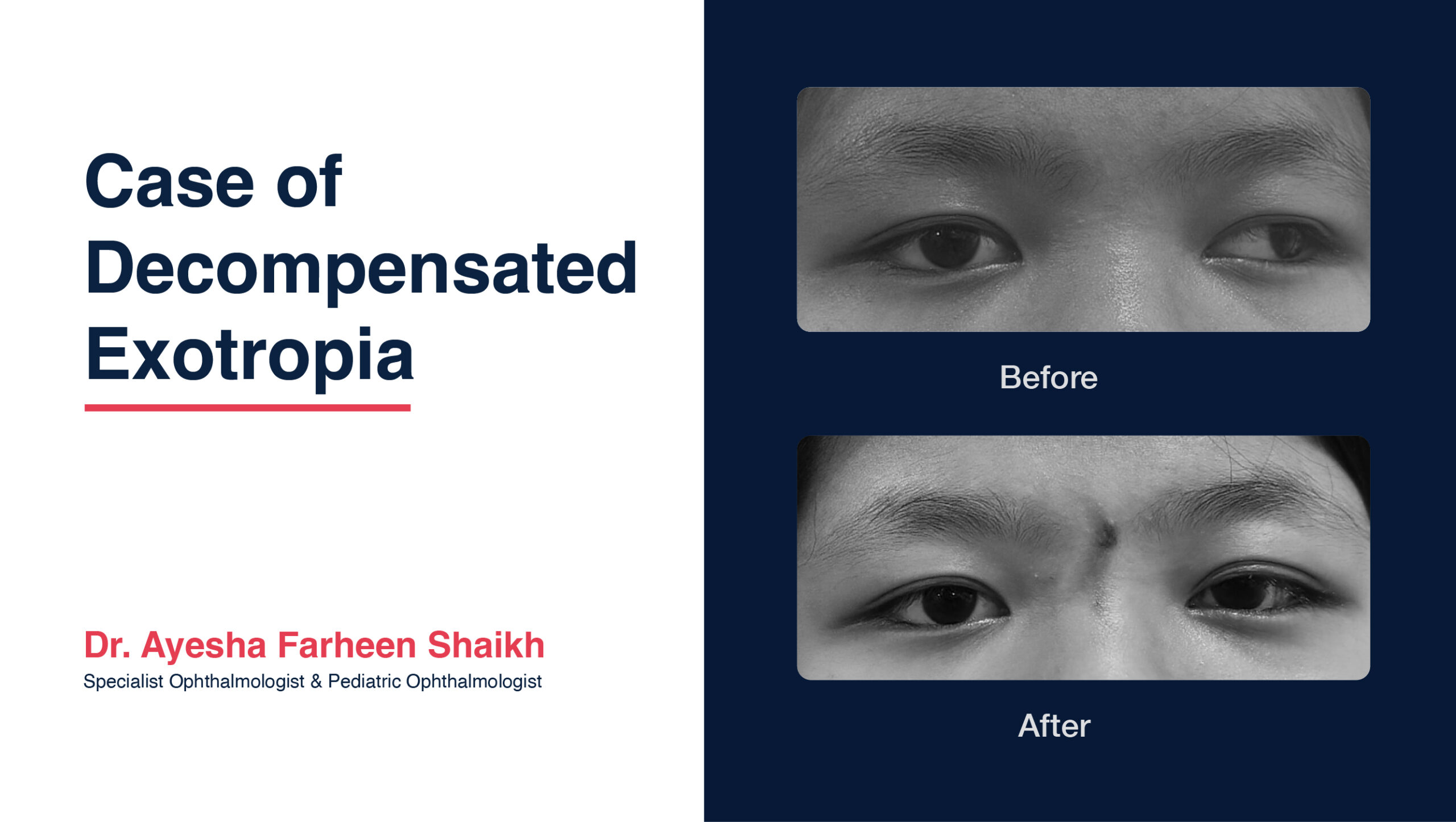
Case of Decompensated Exotropia

Introduction:

A 15-year-old female presented to the Ophthalmology clinic approximately 3 months ago with a history of outward deviation of the left eye along with double vision.

History of Presenting Illness:

Initially, the outward deviation of the left eye was intermittent, noticed only when she was tired, inattentive, sick, or exposed to bright sunlight. Over time, the left eye deviation progressed to being present for more than 50 percent of the waking hours, accompanied by worsening double vision or diplopia. This indicated that the Exotropia was becoming decompensated.

Initial Assessment and Differential Diagnosis:

A complete ocular examination was performed, including anterior and posterior segment examinations, as well as motor and sensory evaluations for Exotropia. The best-corrected visual acuity for both eyes was 6/6 and N6. The corneal reflex showed 45-degree Exotropia in the left eye. The cover test demonstrated that the Exotropia was alternating with right eye dominance and that control of the Exotropia was fair. Ocular movements were full in all cardinal gazes. The prism cover test revealed approximately 85 prism diopters of left eye Exotropia with tenacious proximal fusion. The sensory examination using Worth four-dot testing indicated diplopia, as the patient saw 5 circles. Both anterior and posterior segments of the eyes were normal. Systemic and neurological examinations were normal, ruling out any neurological causes for the left eye Exotropia.

Investigations and Final Diagnosis:

After thorough evaluation, the decision was made to surgically correct the squint. Major concerns included the active tenacious proximal fusion, decompensation of the deviation, and the development of diplopia. Considering these factors and the parents’ concerns, the surgery was planned for the affected eye only, allowing room for a possible secondary procedure on the better eye in the future if needed. The child underwent a left eye lateral rectus recession (9.5 mm) and medial rectus resection (6.5 mm) under general anesthesia. The surgery was uneventful, and the patient tolerated the procedure well.

Post-Operative Examination:

Post-operatively, the patient was examined the next day. The corneal reflex showed approximately 5-degree Exotropia in the left eye, the sutures appeared intact, and the patient no longer complained of double vision. The patient was discharged with instructions for post-operative care.

On the 10th post-operative day, the patient was examined in the OPD. The corneal reflex was now central, and the patient had achieved optimal single binocular vision. Both the patient and her parents were extremely happy and satisfied with the surgical outcome. She has been advised to continue her post-operative care and attend regular follow-ups.

Conclusion:

This case highlights the importance of regular eye check-ups. Not all squints require surgical correction; such decisions should be made after thorough examination. For those requiring surgical intervention, time and expertise are crucial, as they impact both the surgical motor outcome in terms of optimal ocular alignment and the sensory outcome in terms of achieving single binocular vision.

Our Experts

See More
Hardik Kailashkumar Kalaria
Ayesha Farheen Shaikh

Back-to-School Health Check-Ups: Setting Your Child Up for Success

As summer winds down and the new school year looms, parents have a lot on their plates. But amid the rush for new backpacks and school supplies, there’s something even more crucial to consider: your child’s health. Let’s chat about why those back-to-school check-ups are so important.

Catching Problems Early

You know how it goes—ignore a small issue, and before you know it, it becomes a big headache. The same applies to your child’s health. These check-ups act as a safety net, catching potential problems before they become major obstacles. Maybe your little one needs glasses or perhaps they’re having trouble hearing the teacher. Spotting these issues early can make a world of difference in the classroom.

Shots, Shots, Shots!

No, not the fun kind. We’re talking about vaccines. I know, nobody likes getting jabbed, but trust me, these immunizations are crucial. They not only protect your child but also safeguard the entire school community. Plus, many schools require them, so you’re killing two birds with one stone.

Mental Health Matters

Let’s face it—going back to school can be stressful. New teachers, new classmates, maybe even a new school. It’s a lot to handle. That’s why these check-ups often include a mental health screening. If your child is feeling anxious or down, it’s better to know now and get them the support they need. Happy kids learn better, after all.

Fitness Check

Is your kid the next sports superstar? Or maybe they just enjoy a good game of tag at recess. Either way, these check-ups assess their physical fitness. It’s about making sure they’re growing well and identifying any issues that might lead to injuries down the line.

Healthy Habits 101

Your pediatrician isn’t just there to poke and prod. They’re a fountain of knowledge when it comes to keeping your kid healthy. From tips on packing nutritious lunches to advice on getting enough sleep, these check-ups are a goldmine of information.

Building a Health History

Think of these check-ups as creating a health timeline for your child. By tracking their growth and development year after year, doctors can spot any unusual changes more easily. It’s like having a health roadmap for your kid.

Squeaky Clean

And let’s not forget about hygiene. These visits are a great chance to reinforce the importance of washing hands and brushing teeth. Trust me, teachers everywhere will thank you for this!

Summer Health Tips

While we’re on the subject of health, let’s not forget about keeping our kiddos healthy during the summer months. Here are some quick tips:

  • Water, water, everywhere: Keep those water bottles filled!
  • Sunscreen is your friend: Slather it on, and don’t forget to reapply.
  • Eat the rainbow: Summer’s the perfect time for fresh fruits and veggies.
  • Get moving: Encourage outdoor play and activities.
  • Unplug: Set some limits on screen time.
  • Stick to a sleep schedule: Yes, even during summer.
  • Safety first: Whether it’s bikes or pools, teach your kids about staying safe.

Remember, a healthy summer leads to a great start to the school year. So, book that check-up, stock up on sunscreen, and get ready for a fantastic year ahead. Your child’s health is the best school supply you can provide!

The Curious Case of Refractory Persistent Pulmonary Hypertension of the Newborn: A Tale of Rescue by Vasopressin

Introduction:

An inborn term neonate weighing 2600 g developed meconium aspiration syndrome (MAS) at birth. The baby experienced respiratory failure requiring high-frequency oscillatory ventilation support. Pulmonary hypertension, along with hypotension and left ventricular dysfunction noted on point-of-care echocardiography (POCE), necessitated a trial of epinephrine and inhaled nitric oxide (iNO). The case was further complicated by bilateral pneumothorax. Despite an extremely complex presentation with severe hypoxemic failure refractory to iNO, a novel treatment plan led to intact survival.

Case Presentation:

A 37-week, 2600-gram male neonate was delivered by emergency lower segment cesarean section for fetal distress and meconium-stained liquor. The antenatal period was uneventful. The baby developed worsening respiratory distress at 15 hours of life, requiring high-frequency oscillatory (HFO) ventilation with a mean airway pressure as high as 20 cm and an oxygenation index (OI) of 22. Point-of-care functional echocardiography revealed severe PPHN (pulmonary artery pressure 70 mmHg) with left ventricular (LV) dysfunction (LV fractional shortening 18%). Epinephrine was initiated to augment LV contractility, followed by iNO therapy for hypoxemic respiratory failure (HRF) secondary to severe PPHN. However, the baby turned out to be an iNO non-responder.

The Crucial Salvage:

This complex scenario of HRF with hypotension and iNO-refractory PPHN was managed by adding vasopressin infusion, which has a unique combination of vasopressor activity on systemic circulation and vasodilatory action on pulmonary circulation. The addition of vasopressin to iNO therapy helped improve hypotension and reduce pulmonary pressures. The baby also developed bilateral pneumothorax, which was managed with bilateral intercostal drainage. As blood pressure improved with epinephrine, milrinone was added to further improve PPHN due to its ino-dilatory properties.

Outcome:

Following an intricate protocol of epinephrine, iNO, vasopressin, and milrinone in a novel and crucial sequence, along with continuous bedside point-of-care functional echocardiography for monitoring LV function and PPHN, the baby was successfully salvaged and discharged on day 30 of life.

Follow-up:

At 3 months of age, the baby had appropriate weight gain and a completely normal neurological examination without any respiratory issues.

Severe PPHN: Management Strategies in iNO Non-Responders

Inhaled NO is the treatment of choice for pulmonary artery hypertension (PAH) in neonates. However, poor lung development secondary to extraneous contents in the thorax or prolonged suppression of endogenous NO synthase have been postulated as reasons for poor response to iNO. Sildenafil (a phosphodiesterase V inhibitor) and milrinone (a phosphodiesterase III inhibitor) have been used to treat PPHN non-responsive to iNO with variable success rates.

Vasopressin acts on systemic arterial V1 receptors and causes vasoconstriction. By activating pulmonary vascular endothelial nitric oxide synthase through the oxytocin endothelial receptor, it has also been reported to have pulmonary vasodilatory effects. This action helps create a high systemic and low pulmonary vascular resistance (PVR) state, thereby tipping the balance towards a higher systemic vascular resistance (SVR)ratio.

Conclusion:

This case highlights the importance of combining clinical and physiological principles of drug actions and synergisms to treat complicated cases of refractory PPHN with systemic hypotension and hypoxemic respiratory failure. Point-of-care neonatologist-performed echocardiography-based management is crucial for monitoring dynamic changes in neonatal pulmonary and cardiac functions, facilitating physiology-based, timely treatment in critically ill neonates.

Learning Points:

  • This case demonstrates the potential of vasopressin in the treatment of severe pulmonary artery hypertension (PAH) that is refractory to inhaled nitric oxide.
  • Vasopressin has a favorable effect on both systemic and pulmonary vasculature, unlike other non-selective pulmonary vasodilators (e.g., sildenafil) currently in use.
  • Point-of-care neonatologist-performed echocardiography-based management aids in timely and physiology-based management of fragile, sick newborns.

Our Experts

See More

Transform Your Breastfeeding Journey: Essential Tips for Success

Breastfeeding is a beautiful journey, but it comes with its own set of challenges. Dr. Eman Samir, a Specialist in Obstetrics & Gynecology at Medeor Hospital, shares essential tips to support you through this journey. From ensuring a proper latch to taking care of your own health, these insights can make breastfeeding a smoother experience for both you and your baby.

Benefits for Baby

Breastfeeding provides the ideal nutrition for infants. It contains the perfect mix of vitamins, protein, and fat that your baby needs to grow. Breast milk is easier to digest than formula, and the antibodies in breast milk help your baby fight off viruses and bacteria, reducing the risk of infections and diseases.

Ensure a Good Latch

A proper latch is essential for comfortable breastfeeding and efficient milk transfer. Make sure your baby’s mouth covers most of the areola, not just the nipple. This helps prevent nipple soreness and ensures that your baby gets enough milk. If you’re having trouble with latching, don’t hesitate to seek help from a lactation consultant.

Breastfeeding Positions

Finding a comfortable breastfeeding position is important for both you and your baby. Experiment with different positions such as cradle hold, football hold, or lying on your side until you find what works best. Comfort can help make breastfeeding more enjoyable and reduce the risk of issues like blocked ducts or mastitis.

Feed on Demand

Newborns typically need to breastfeed 8-12 times a day. Feeding on demand means responding to your baby’s hunger cues, which can include rooting, sucking on fingers, or making sucking noises. Frequent feeding helps establish and maintain your milk supply and ensures that your baby gets the nutrition they need.

Eat Nutritious Foods

A balanced diet is vital for nursing mothers. Eating a variety of nutritious foods, including fruits, vegetables, whole grains, and lean proteins, supports your health and milk production. Pay attention to your body’s signals and eat when you’re hungry to keep your energy levels up.

Benefits for Mom

Breastfeeding is not only beneficial for babies but also for mothers. It helps in burning extra calories, aiding postpartum weight loss. Breastfeeding releases oxytocin, which helps your uterus return to its pre-pregnancy size and may reduce uterine bleeding after birth. It also lowers the risk of breast and ovarian cancer and may help prevent osteoporosis.

Burping Your Baby

Gently burping your baby after feeding helps release any air they might have swallowed during breastfeeding. This can reduce fussiness and discomfort. Hold your baby upright with their head on your shoulder and gently pat or rub their back to help them burp.

Breastfeeding can be a rewarding experience when equipped with the right knowledge and support. Follow these tips from Dr. Eman Samir to help ensure a healthy and comfortable breastfeeding journey for you and your baby.

For more personalized advice and support, schedule a consultation with Dr. Eman Samir at Medeor Hospital. Our team is here to assist you every step of the way.

Contact us today to book your appointment and take the next step towards a successful breastfeeding journey!

Our Experts

See More
Briji Sobhana Panicker
Fady Georges Hachem
Komal Devi
Pooja More
Mukundan Gangadharan

Why Lung Cancer Screening Matters: A Closer Look on Lung Cancer Awareness Day 

As we mark Lung Cancer Awareness Day, it’s crucial to shine a light on a silent killer that claims more lives annually than breast, prostate, and colorectal cancers combined. Lung cancer often sneaks up on us, remaining undetected until it’s advanced. That’s why early detection through screening is so vital.

Let’s discuss why lung cancer screening is a game-changer, especially here in the UAE.

The Lung Cancer Challenge

Lung cancer is a formidable foe, responsible for about a quarter of all cancer deaths worldwide. In 2020, it claimed nearly 1.8 million lives globally. The scary part? By the time symptoms appear, the cancer is often already in its later stages.

But here’s the good news: catch it early, and your chances of beating it skyrocket. We’re talking about a five-year survival rate of almost 60% for early-stage lung cancer, compared to a grim less than 10% for advanced cases.

Who’s at Risk?

In the UAE, several factors increase the risk:

  • Smoking: It remains the leading risk factor for lung cancer, especially among men in the UAE.
  • Work Hazards: Rapid industrialization has increased exposure to harmful substances like asbestos and radon.
  • Air Quality: Our desert climate, dust storms, and urban growth don’t do our lungs any favors.
  • Genetics: Sometimes, it’s in the DNA. Some people are naturally more susceptible to lung cancer.

Why Screening is a Smart Move ?

  • Early Detection: Low-dose CT scans can detect lung cancer when it’s still small and more treatable.
  • More Treatment Options: Early detection provides more treatment choices. Surgery or radiation might be sufficient, avoiding more aggressive therapies.
  • Lives Saved: Studies show that proper screening can reduce lung cancer deaths by up to 20%.
  • Cost-Efficiency: Although screening might seem costly initially, it’s cheaper than treating advanced cancer in the long run.

Who Should Get Screened?

Not everyone needs screening. Consider it if:

  • You’re between 55 and 80 years old.
  • You’re a current smoker or have quit within the last 15 years.
  • You have a significant smoking history (e.g., a pack a day for 30 years).
  • Lung cancer runs in your family.

Spread the Word

Awareness days like this are all about spreading the message. The more people know about lung cancer screening, the more lives we can save. It’s that simple.

Wrapping Up

Lung cancer screening is a powerful tool in our fight against this deadly disease. For those at high risk, it could be a lifesaver. This Lung Cancer Awareness Day, let’s make some noise about screening. Talk to your doctor, spread the word, and let’s catch this sneaky killer before it catches us.

Remember, knowledge is power. And in this case, it could be the power to save a life—maybe even your own.

Our Experts

See More
Saheer Sainalabdeen
Mitali Dhawal Modi