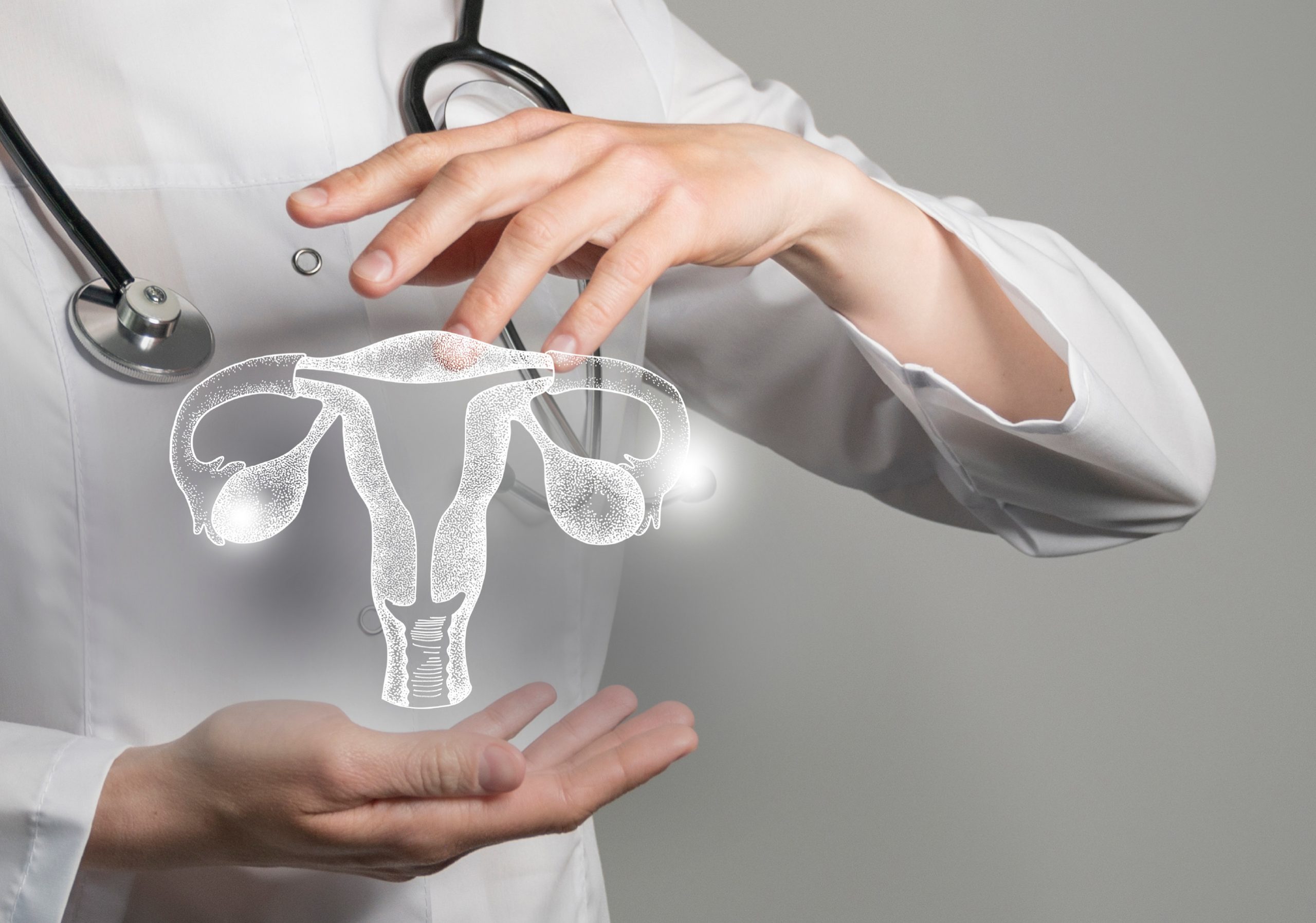
Menstrual pain is a common experience for many women. Mild discomfort during periods is often considered normal, but when the pain becomes intense, persistent, or disruptive to daily life, it may indicate an underlying health condition. One of the most common causes of severe menstrual pain is endometriosis.
Many women assume that painful periods are simply something they must tolerate, but persistent or worsening pain should never be ignored. Understanding the difference between typical menstrual discomfort and symptoms of endometriosis can help women seek timely medical care and protect their long-term reproductive health.
Understanding Normal Period Pain
During menstruation, the uterus contracts to shed its lining. These contractions are triggered by hormone-like chemicals called prostaglandins. For some women, this can lead to cramping in the lower abdomen or back, especially during the first day or two of their period.
Normal period pain typically:
- Occurs for 1–2 days during menstruation
- Improves with rest, heat, or mild pain medication
- Does not interfere significantly with daily activities
- Does not worsen progressively over time
If menstrual pain becomes severe enough to prevent work, school, or daily activities, it may be a sign of an underlying condition such as painful periods endometriosis.
What is Endometriosis?
Endometriosis is a chronic gynecological condition in which tissue similar to the lining of the uterus grows outside the uterus. These growths can occur on the ovaries, fallopian tubes, pelvic lining, and other nearby organs.
Just like the uterine lining, this tissue responds to hormonal changes during the menstrual cycle. However, because it is located outside the uterus, it has no way to exit the body. This leads to inflammation, irritation, scar tissue formation, and significant pain.
Endometriosis is estimated to affect millions of women worldwide, yet many cases remain undiagnosed because symptoms are often mistaken for regular menstrual pain.
Common Endometriosis Signs
Recognizing the early endometriosis signs UAE patients often experience can help women seek medical advice sooner. Symptoms can vary from person to person, but some warning signs are more common.
Severe Menstrual Pain
Painful periods that become progressively worse over time may be linked to endometriosis. The pain can begin before menstruation and continue throughout the cycle.
Pelvic Pain Outside Menstruation
Unlike normal cramps, endometriosis-related pain may occur even when you are not on your period.
Pain During or After Intercourse
Many women with endometriosis experience discomfort or pain during or after sexual activity due to inflammation in the pelvic area.
Heavy Menstrual Bleeding
Unusually heavy or prolonged periods may also be associated with the condition.
Painful Bowel Movements or Urination
Some women notice pain during bowel movements or urination, especially during their menstrual cycle.
Fertility Challenges
Endometriosis can sometimes affect fertility by causing inflammation or scarring in the reproductive organs.
Is Period Pain Normal or a Warning Sign?
One of the most common questions women ask is “Is period pain normal?”
The answer depends on the intensity and impact of the pain. Mild to moderate cramps that respond to simple remedies are generally normal. However, pain that is severe, persistent, or worsening may indicate a medical condition that requires evaluation.
You should consider consulting a gynecologist if:
- Pain prevents you from attending work or school
- Over-the-counter medications do not relieve the pain
- Symptoms worsen each month
- You experience additional symptoms such as heavy bleeding or pelvic pain between periods
Early diagnosis of endometriosis can help prevent complications and improve quality of life.
How Endometriosis is Diagnosed
Diagnosing endometriosis can sometimes be challenging because symptoms overlap with other conditions. A gynecologist may begin with a detailed medical history and pelvic examination.
Additional diagnostic approaches may include:
- Ultrasound imaging to examine the reproductive organs
- MRI scans to detect deeper endometriosis lesions
- Laparoscopy, a minimally invasive procedure that allows direct visualization of endometrial tissue
Early consultation with a specialist can significantly improve the chances of accurate diagnosis and effective treatment.
Treatment Options for Endometriosis
Although there is currently no permanent cure for endometriosis, several treatment options can help manage symptoms and improve quality of life.
Common treatment approaches include:
Medication
Hormonal therapies and pain management medications can help control symptoms and reduce inflammation.
Minimally Invasive Surgery
In some cases, laparoscopic surgery may be recommended to remove endometrial tissue and relieve pain.
Lifestyle Support
Exercise, dietary adjustments, and stress management can also support overall reproductive health and reduce symptom severity.
The best treatment plan depends on the patient’s symptoms, age, fertility goals, and overall health.
When to Seek Medical Advice
Ignoring persistent menstrual pain can delay diagnosis and treatment. If you suspect your symptoms are more severe than normal period discomfort, consulting a gynecologist can provide clarity and reassurance.
Early detection allows healthcare professionals to develop personalized treatment strategies and prevent long-term complications.
Conclusion
Painful periods are often dismissed as a normal part of menstruation, but severe or persistent pain should never be ignored. Endometriosis is a common yet underdiagnosed condition that can significantly affect a woman’s quality of life and reproductive health.
Understanding the difference between typical menstrual cramps and the warning signs of endometriosis is the first step toward better health. If period pain is interfering with your daily activities or worsening over time, seeking professional medical advice can help identify the cause and guide appropriate treatment.
FAQs
No. Severe menstrual pain can have several causes, including fibroids, pelvic inflammatory disease, or hormonal imbalances. However, persistent or worsening pain should be evaluated by a gynecologist.
Endometriosis can develop at any time after menstruation begins, often affecting women in their reproductive years.
Yes. In some cases, endometriosis can impact fertility by causing inflammation, scarring, or structural changes in the reproductive organs.
Treatment options include medications, hormonal therapy, minimally invasive surgery, and lifestyle modifications depending on the severity of symptoms.
You should consult a doctor if menstrual pain is severe, worsening, or interfering with daily activities, or if you experience symptoms like heavy bleeding or pelvic pain outside your period.
Take the First Step Toward Relief
If you are experiencing persistent menstrual pain or suspect symptoms of endometriosis, professional medical guidance can help you understand the cause and explore effective treatment options.
Book your appointment with the gynecology specialists at Medeor Hospital, Dubai, to receive expert evaluation and personalized care for your reproductive health.