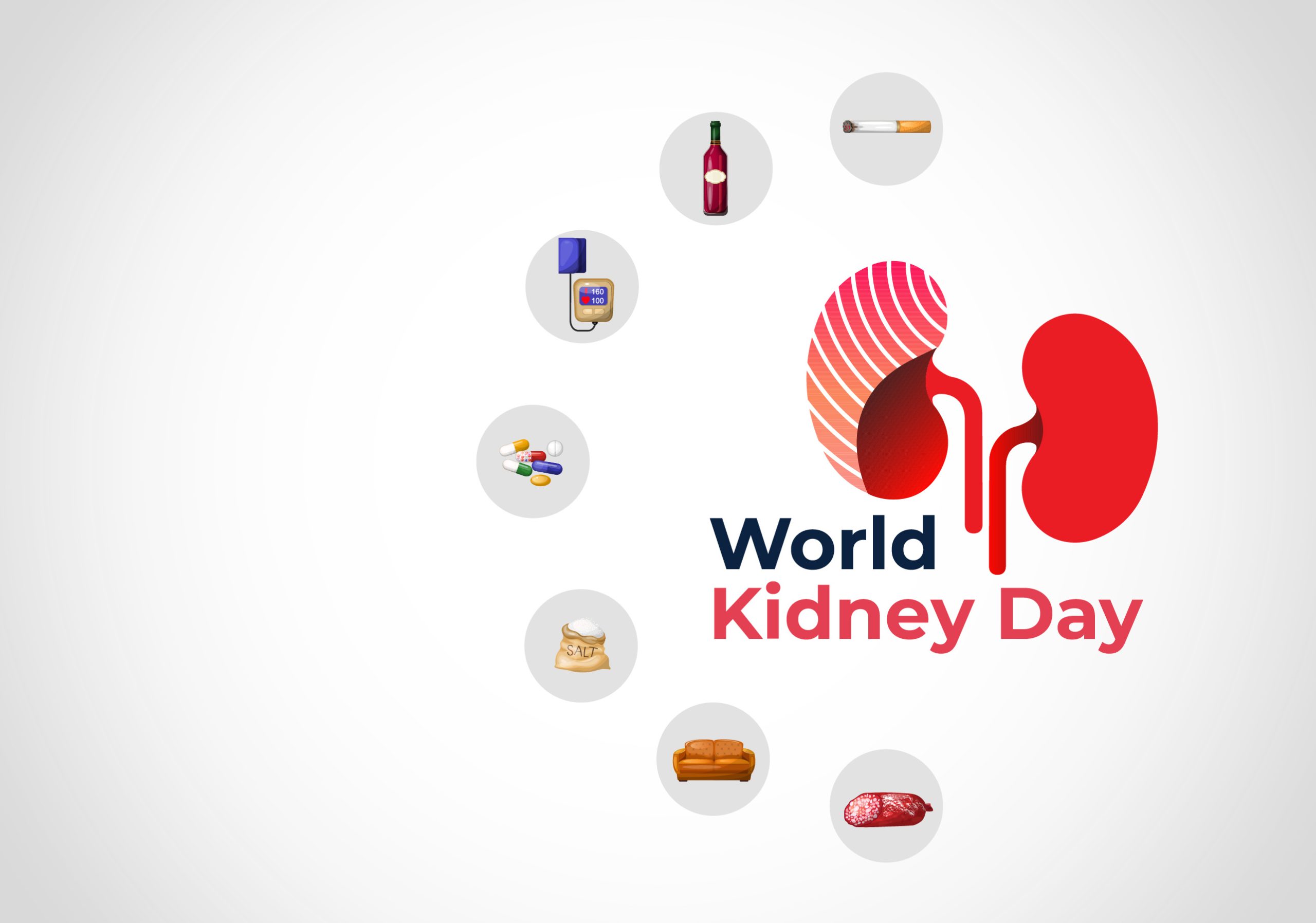
Every year, World Kidney Day reminds us to pause and think about two of the body’s most hardworking — and most overlooked — organs. Your kidneys filter over 200 litres of blood daily, regulate blood pressure, balance fluids, and remove waste. Yet most people don’t give them a second thought until something goes wrong.
In the UAE, the rates of chronic kidney disease (CKD), diabetes, and hypertension are among the highest in the region — making kidney awareness more critical than ever. The worrying truth? Many of the habits silently damaging your kidneys feel completely normal.
This World Kidney Day 2026, the specialist team at Medeor Hospital, Dubai highlights 7 everyday habits that could be quietly harming your kidney health — and what you can do about them.
1. Not Drinking Enough Water
Chronic dehydration is one of the most common — and preventable — causes of kidney stress. When you don’t drink enough water, your kidneys struggle to flush out toxins, leading to concentrated urine, kidney stone formation, and over time, reduced kidney function.
In Dubai’s intense heat, dehydration risk is especially high. Aim for at least 8–10 glasses of water per day, more if you are active or spending time outdoors.
2. Overusing Painkillers and Anti-Inflammatory Medications
Over-the-counter painkillers such as ibuprofen and diclofenac are popular for headaches, back pain, and fever — but regular use can be toxic to the kidneys. These medications reduce blood flow to the kidneys and, with prolonged use, can cause analgesic nephropathy, a form of kidney damage.
Always consult a doctor before taking painkillers regularly, especially if you already have kidney disease, diabetes, or hypertension.
3. Eating Too Much Salt and Processed Food
A high-sodium diet forces the kidneys to work harder to maintain fluid balance and increases blood pressure — one of the leading causes of kidney damage. Processed foods, fast food, canned goods, and restaurant meals in the UAE are often loaded with hidden sodium.
The WHO recommends no more than 5g of salt per day. Reading food labels and cooking fresh meals at home can make a significant difference to your long-term kidney health.
4. Ignoring High Blood Pressure and Blood Sugar
Hypertension and diabetes are the two leading causes of chronic kidney disease worldwide. Many people in the UAE live with undiagnosed or poorly managed high blood pressure and high blood sugar — often with no symptoms until serious kidney damage has already occurred.
Regular monitoring and proper management of both conditions can dramatically slow or even prevent kidney disease progression.
5. Holding in Urine for Long Periods
Regularly delaying urination — a common habit during long work hours or commutes — puts excess pressure on the bladder and, over time, can affect the kidneys. It also increases the risk of urinary tract infections (UTIs), which, if left untreated, can travel to the kidneys and cause serious infection known as pyelonephritis.
Make it a habit to respond to your body’s natural signals and empty your bladder regularly throughout the day.
6. Eating Too Much Protein — Especially Red Meat
High-protein diets, particularly those heavy in red meat and animal protein, produce large amounts of acid and waste products that the kidneys must filter. Over time, this places significant strain on renal function. Studies show that excessive red meat consumption is linked to a higher risk of developing CKD.
Opt for plant-based protein sources like lentils, chickpeas, and tofu, and limit red meat to a few servings per week.
7. Skipping Routine Health Check-Ups
Kidney disease is often called a ‘silent disease’ because symptoms — swelling, fatigue, changes in urine — only appear in advanced stages. By the time most people seek medical help, significant damage has already occurred.
Regular kidney function tests — including eGFR, creatinine levels, and urine albumin-to-creatinine ratio (UACR) — can detect problems years before symptoms arise, giving you the best chance of protecting your kidneys long-term.
Frequently Asked Questions (FAQs)
Kidney disease is often symptom-free in early stages. Warning signs in later stages include swollen feet or ankles, persistent fatigue, foamy urine, reduced urine output, and difficulty concentrating. A simple blood and urine test can detect kidney issues early — before symptoms appear.
In early stages, kidney damage can often be slowed or stabilized with proper treatment, lifestyle changes, and medication. Advanced kidney damage is generally irreversible, which is why early detection through routine screening is so important.
Most adults should aim for 8–10 glasses (2–2.5 litres) of water per day. In Dubai’s hot climate, or if you exercise regularly, you may need more. Your urine should be pale yellow — dark urine is a sign of dehydration.
People with Type 2 diabetes, hypertension, obesity, or a family history of kidney disease are at the highest risk. Those over 60 years of age and individuals who regularly use painkillers or anti-inflammatory medications should also undergo regular kidney screening.
Start with an internal medicine specialist for a kidney function screen. If your results show reduced eGFR, elevated creatinine, or protein in the urine, you will be referred to a nephrologist for specialist care and management.
Yes. The UAE has high rates of diabetes and hypertension — the two leading causes of chronic kidney disease globally. Regular screening is strongly recommended for all residents, especially those with known risk factors.
Conclusion
Your kidneys work silently, tirelessly, and without complaint — until they can’t anymore. This World Kidney Day 2026, take a moment to reflect on your daily habits and their long-term impact on your kidney health.
Small, consistent changes — drinking more water, reducing salt, managing your blood pressure, and attending regular check-ups — can make a life-changing difference. At Medeor Hospital, Dubai, our expert nephrologists and internal medicine specialists are here to help you protect your kidneys at every stage.
Book Your Kidney Health Screening Today
Don’t wait for symptoms. Early detection saves kidneys — and lives.
Visit Medeor Hospital, Dubai and consult our experienced Nephrology & Internal Medicine team for a comprehensive kidney health evaluation.