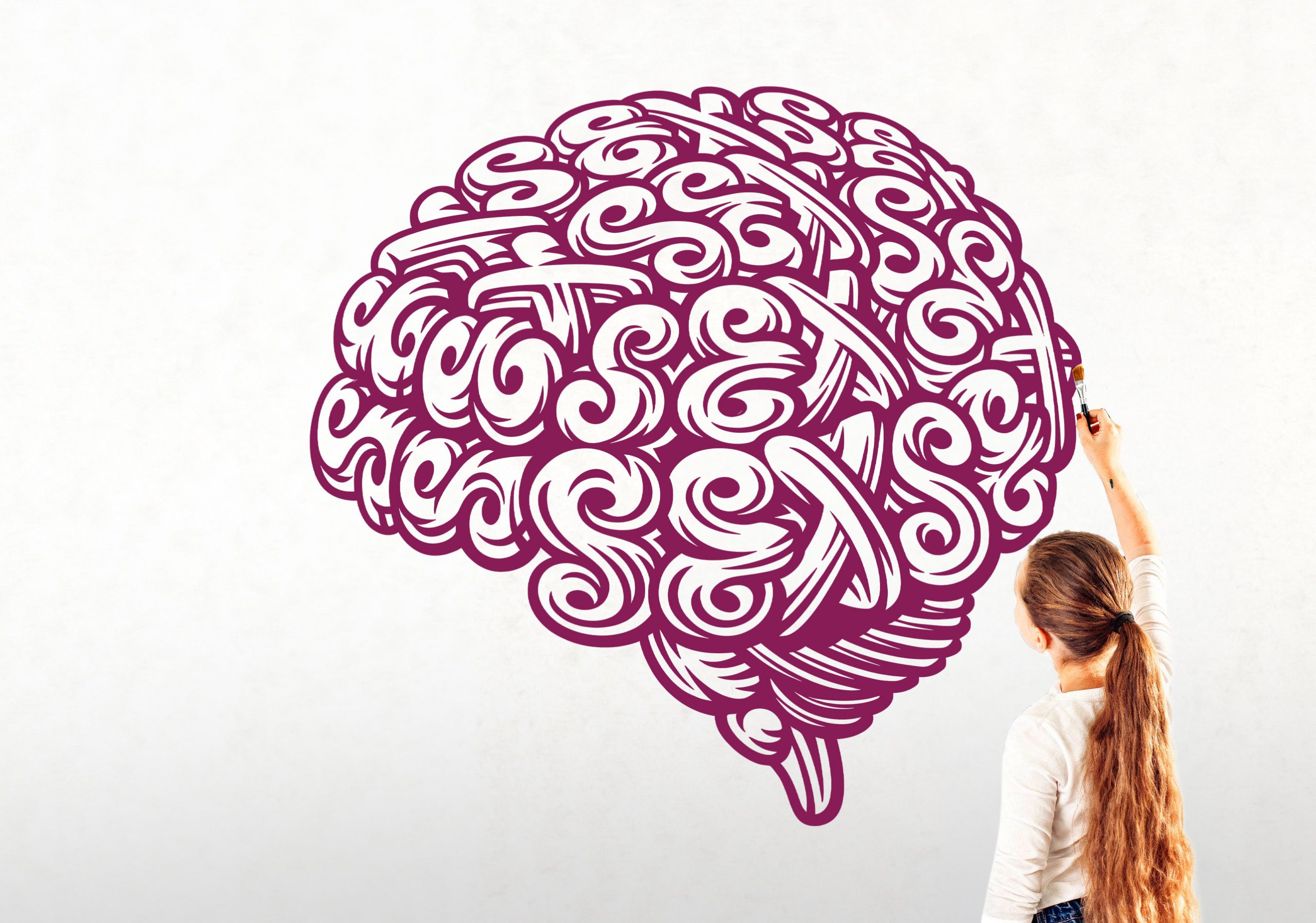
In today’s fast-paced world, our minds are constantly pulled in different directions. Notifications, deadlines, social media, work pressure, and academic stress keep the brain continuously stimulated. We often look for calm in complicated ways, but sometimes relaxation begins with something very simple: a blank page and a pen. One such simple yet powerful practice is doodling.
What is Doodling?
Doodling is a spontaneous form of drawing. It usually happens without a fixed plan, structure, or pressure to create something perfect. It may include repeated lines, geometric shapes, flowers, borders, mandalas, cartoon faces, abstract patterns, or anything that naturally flows from the hand.
Earlier, doodling was often seen as something people did when they were bored, distracted, or not paying attention. Many of us have doodled in the margins of notebooks during school lectures, meetings, or phone calls. But today, doodling is being recognized as more than a pastime. It can be used as a mindfulness exercise, a stress-relief technique, and a creative self-care practice.
Why Doodling Helps the Mind
Doodling gives the brain a gentle activity to focus on. It is not too demanding, yet it is not completely passive either. This makes it useful for people who struggle with sitting still, meditating, or calming racing thoughts. When we doodle, the brain gets a small anchor. The repetitive movement of drawing lines, dots, curves, or patterns can create rhythm and predictability.
Research also suggests that doodling may support attention and memory. In a well-known study by psychologist Jackie Andrade, people who doodled while listening to a dull telephone message remembered more information than those who did not doodle.
Mental Health Benefits of Doodling
1. Doodling supports mindfulness
Mindfulness means bringing attention to the present moment. Many people find meditation difficult because the mind keeps wandering. Doodling can become an easier doorway into mindfulness. As we focus on the movement of the pen, the pressure on the paper, the shape of the lines, and the repetition of patterns, the mind slowly shifts away from overthinking.
2. It helps reduce stress
Stress often makes the mind feel noisy. Thoughts become fast, repetitive, and difficult to control. Doodling gives that mental noise a place to soften. The repetitive act of drawing patterns can calm the nervous system. This is why doodling can be a helpful micro-break during a busy workday, study session, or emotionally heavy moment.
3. It improves focus and concentration
A common myth is that doodling means a person is not paying attention. But research suggests that in some situations, doodling may actually help the brain stay engaged. During boring or repetitive tasks, the mind often drifts. Doodling gives the brain just enough activity to remain alert without taking over full attention.
4. It supports emotional expression
Not all emotions can be expressed easily in words. Sometimes a person may feel heavy, irritated, confused, sad, or anxious without knowing exactly how to explain it. Doodling gives emotions a non-verbal outlet.
Sharp lines may represent anger or tension, soft circles may feel comforting, waves may reflect emotional flow, spirals may express confusion or movement, and repeated dots may bring a sense of order.
5. It encourages creativity
Doodling allows the brain to move away from rigid thinking. Because there is no right or wrong way to doodle, the mind feels freer to explore. This can help improve creative thinking, idea generation, and problem-solving.
6. It is a healthy alternative to digital scrolling
Many people reach for their phones when they feel bored, anxious, lonely, or overwhelmed. But excessive scrolling often increases comparison, restlessness, and mental fatigue. Doodling offers a healthier pause. It allows the brain to disconnect from screens and reconnect with the body, hand movement, breath, and imagination.
Simple Doodling Exercises to Try
1. The five-minute calm doodle
Take a blank page. Start with one small circle in the centre. Keep adding circles, lines, leaves, dots, or waves around it for five minutes. Do not aim for perfection. Just keep moving.
2. The breath-and-line exercise
Inhale and draw a line upward. Exhale and draw a line downward. Repeat for two to three minutes. This combines breath awareness with movement.
3. The emotion pattern
Ask yourself, “What does my emotion look like today?” Then draw it as a pattern. It may be messy, soft, sharp, dark, light, heavy, or empty. Let it be real.
4. The gratitude doodle
Write one word in the centre of the page, such as peace, home, family, hope, or strength. Create patterns around it. This can help shift the mind toward positive emotions.
5. The no-rules doodle
Set a timer for 10 minutes. Draw anything without lifting the pen too much. Let one shape become another. This is useful when the mind feels stuck.
Importance of Medeor Hospital in Mental Health Care
Medeor Hospital plays an important role in supporting mental health through specialized services, including Psychiatry and Clinical Psychology, as listed on its official website. For individuals experiencing anxiety, depression, stress-related concerns, emotional burnout, or other mental health challenges, access to professional psychiatric care can make a meaningful difference.
Dr. Damanjit Kaur, Specialist Psychiatrist at Medeor Hospital, represents the professional expertise patients look for when they need mental health support. Her role is especially relevant for individuals who need evaluation, treatment planning, and ongoing psychiatric care beyond lifestyle-based coping methods like doodling.
Mental health care works best when it is accessible, structured, and compassionate. A hospital like Medeor can help patients move from self-care practices such as doodling to more advanced support when symptoms become persistent, intense, or disruptive to daily life. This makes Medeor Hospital an important destination for individuals who need expert guidance, diagnosis, and treatment in a supportive medical environment.
A Gentle Note
Doodling is not a replacement for professional mental health treatment. If someone is experiencing severe anxiety, depression, trauma symptoms, self-harm thoughts, or significant emotional distress, they should seek professional help.
FAQs
1. What is the mental health benefit of doodling?
Doodling may help reduce stress, improve focus, support mindfulness, and encourage emotional expression.
2. Can doodling help with anxiety?
Yes, doodling can be a calming activity that helps some people feel more grounded during anxious moments.
3. Is doodling good for concentration?
Doodling may help maintain attention during repetitive or low-stimulation tasks.
4. Why choose Medeor Hospital for mental health care?
Medeor Hospital offers psychiatric and clinical psychology services, making it a relevant option for mental health support.
5. Who is Dr. Damanjit Kaur?
Dr. Damanjit Kaur is a Specialist Psychiatrist at Medeor Hospital.
6. When should I see a psychiatrist instead of self-care only?
If symptoms are severe, persistent, or affecting daily life, professional psychiatric support is recommended.
Final Thoughts
Doodling reminds us that healing does not always have to be complicated. Sometimes, the mind needs a simple pause. A line. A circle. A pattern. A moment without judgment. You do not need to be an artist. You do not need to create something beautiful. You only need to begin.
Because sometimes, the journey from stress to calm begins with one small scribble.
If you are experiencing ongoing stress, anxiety, mood changes, or emotional distress, consider booking a consultation with a specialist psychiatrist at Medeor Hospital for professional mental health support.