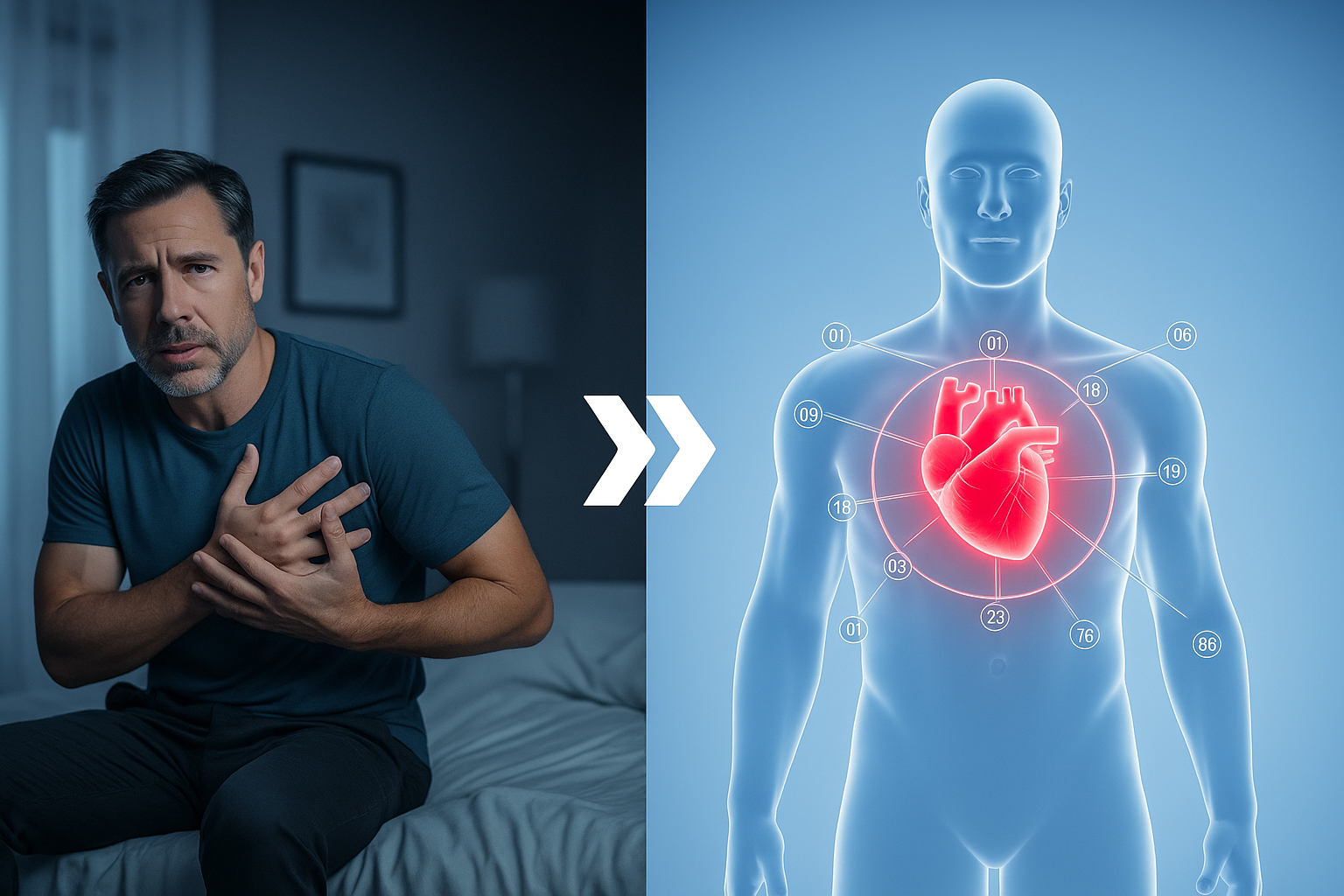
Why Men Need to Prioritize Heart Health
When it comes to health, many men wait until a problem becomes impossible to ignore. Unfortunately, the heart rarely gives loud warnings before a serious issue strikes. Heart health for men is not just about avoiding disease—it’s about recognizing subtle changes early and taking proactive steps toward cardiovascular wellness.
At Medeor Hospital Abu Dhabi, our cardiologists and wellness experts emphasize early detection as the key to prevention. Understanding the signs of heart disease in men and adopting a preventive lifestyle can save not just years of life—but also the quality of those years.
The Silent Threat: Heart Disease in Men
Heart disease in men remains one of the leading causes of death globally. Many cases develop silently over time, influenced by lifestyle factors such as high blood pressure, high cholesterol, diabetes, smoking, poor diet, and stress.
However, most heart problems are preventable with the right awareness, routine care, and lifestyle adjustments.
10 Early Warning Signs You Shouldn’t Ignore
Here are ten signs your body may be sending that your heart needs attention.
1. Chest Discomfort or Pain
Chest pain is the most recognized sign of a heart problem—but it’s often misunderstood.
You might feel pressure, heaviness, tightness, or squeezing in the chest, especially during exertion or stress.
If the pain radiates to your arm, shoulder, neck, or jaw, it could indicate angina or even an early heart attack. Never ignore it—get checked immediately.
2. Shortness of Breath
If climbing stairs, walking, or mild exercise leaves you unusually breathless, it could be a red flag.
Heart health for men is often compromised when the heart can’t pump efficiently, leading to fluid buildup in the lungs. Persistent breathlessness—especially when lying flat—should prompt a men’s health checkup immediately.
3. Fatigue and Weakness
Feeling constantly tired despite adequate rest may be your heart’s way of saying it’s struggling.
When the heart can’t supply enough oxygenated blood to your body, fatigue becomes chronic. This sign is particularly concerning when combined with breathlessness or chest discomfort.
4. Dizziness or Fainting Spells
Sudden dizziness or fainting can result from irregular heart rhythms or low blood pressure.
A heart that beats too slowly, too quickly, or irregularly affects circulation and brain oxygen supply—both potential indicators of cardiovascular health problems.
5. Swelling in the Legs or Feet
Fluid retention, especially around the ankles or lower legs, could signal heart failure.
When the heart can’t pump blood efficiently, fluid backs up in the veins, leading to swelling—often mistaken for simple fatigue or standing too long.
6. Irregular Heartbeat or Palpitations
Feeling your heart race, skip beats, or flutter can be normal during stress or exercise. But frequent palpitations without clear triggers may point to arrhythmia.
Monitoring these irregularities early can prevent serious complications later.
7. Pain in the Neck, Jaw, or Arm
Heart pain doesn’t always strike the chest. In men, discomfort may radiate to the neck, back, or left arm.
These are common heart attack symptoms men tend to overlook—often confusing them for muscle strain or indigestion.
8. Persistent Indigestion or Stomach Pain
Men sometimes experience heart-related discomfort as upper abdominal pain, bloating, or heartburn.
If digestive issues appear suddenly and don’t improve with antacids, it’s wise to get screened for cardiovascular health concerns.
9. Excessive Sweating
Unexplained sweating—especially cold, clammy sweat—can indicate heart distress.
During a cardiac event, the body releases stress hormones that cause sudden perspiration. If sweating occurs with chest pain or dizziness, seek emergency help immediately.
10. Erectile Dysfunction
Blood flow issues don’t just affect the heart—they impact overall circulation. Erectile dysfunction may be one of the earliest indicators of heart disease in men, signaling narrowing arteries or impaired vascular health.
Common Risk Factors Affecting Heart Health for Men
1. High Blood Pressure
Known as the “silent killer,” high blood pressure damages artery walls over time, making the heart work harder. Regular monitoring is essential for cardiovascular wellness.
2. High Cholesterol
Excess cholesterol forms plaque inside arteries, restricting blood flow and increasing the risk of heart attack and stroke.
3. Diabetes and Heart Disease
Men with diabetes and heart disease face higher risks due to damaged blood vessels and elevated inflammation levels. Managing blood sugar levels protects heart function.
4. Smoking and Heart Health
Cigarette toxins damage arteries, reduce oxygen levels, and raise blood pressure. Quitting offers immediate and long-term benefits—one of the most powerful forms of heart disease prevention.
5. Obesity and Heart Disease
Excess weight contributes to high cholesterol, high blood pressure, and diabetes, all of which strain the heart. Maintaining a healthy weight is a key step in long-term cardiovascular wellness.
6. Stress and Heart Health
Chronic stress increases cortisol levels, which can lead to hypertension and poor lifestyle choices. Learning to manage stress and heart health through relaxation and mindfulness is vital.
Protecting Your Heart: Prevention Over Treatment
1. Adopt a Heart Healthy Diet
A heart healthy diet is rich in fruits, vegetables, whole grains, and lean proteins. Reduce red meat, sugar, and processed foods. Include omega-3–rich fish, olive oil, and nuts to improve cholesterol levels.
2. Exercise for Heart Health
Regular exercise for heart health keeps your heart muscle strong, reduces stress, and controls weight. Aim for at least 30 minutes of moderate activity—like walking, swimming, or cycling—five days a week.
3. Quit Smoking Benefits
The quit smoking benefits begin almost immediately. Within weeks, your blood pressure improves; within a year, your risk of heart disease is cut in half.
4. Manage Stress and Sleep
Incorporate yoga for heart health or meditation for heart health to reduce stress and improve sleep. Chronic stress often leads to emotional eating and high blood pressure, both harmful to the heart.
5. Schedule Regular Men’s Health Checkups
A men’s health checkup is your best preventive measure. At Medeor Hospital Abu Dhabi, our team offers personalized heart assessments, including cholesterol screening, blood pressure monitoring, ECG, and lifestyle counseling.
6. Track Your Numbers
Keep an eye on key metrics:
- Blood pressure below 120/80 mmHg
- LDL (bad cholesterol) below 100 mg/dL
- Fasting blood sugar below 100 mg/dL
- BMI between 18.5–24.9
Awareness of your numbers is the first step toward control.
Men’s Fitness and Heart Health: The Power of Movement
Men’s fitness doesn’t have to mean extreme workouts. Sustainable, enjoyable exercise routines work best for long-term heart protection.
Simple, Effective Practices
- Brisk walking or jogging
- Resistance training 2–3 times a week
- Yoga or stretching for flexibility
- Playing a sport or cycling outdoors
These not only improve cardiovascular wellness but also support weight management and mental clarity.
Men’s Health Awareness: Leading the Change
Men’s health awareness campaigns remind us that heart disease doesn’t just affect older men. Even younger men face rising risks due to sedentary lifestyles, stress, and poor diet.
Being proactive—through screenings, lifestyle changes, and education—can make the difference between prevention and crisis.
FAQs
Q1. What are the first signs of heart problems in men?
Chest discomfort, shortness of breath, fatigue, or pain radiating to the arm or jaw can signal heart trouble.
Q2. How often should men get a heart checkup?
Men over 30 should have a men’s health checkup annually to monitor cholesterol, blood pressure, and heart function.
Q3. Can stress cause heart disease?
Yes. Stress and heart health are closely linked—chronic stress raises cortisol, increasing blood pressure and inflammation.
Q4. What’s the best diet for cardiovascular health?
A heart healthy diet with whole grains, lean proteins, healthy fats, and fiber supports long-term cardiovascular wellness.
Q5. How does smoking affect the heart?
Smoking and heart health don’t mix—tobacco narrows arteries, raises blood pressure, and doubles the risk of heart attack.
Q6. What are the benefits of quitting smoking?
Quit smoking benefits include improved oxygen levels, better circulation, and a significantly lower risk of heart disease within a year.
Q7. Can exercise prevent heart attacks?
Yes. Regular exercise for heart health strengthens the heart muscle, improves circulation, and reduces cholesterol.
Q8. How is obesity linked to heart disease?
Obesity and heart disease are directly connected—extra weight strains the heart and increases the risk of hypertension and diabetes.
Q9. What’s the connection between diabetes and heart disease?
Diabetes and heart disease often go hand-in-hand, as high blood sugar damages arteries and accelerates plaque buildup.
Q10. How can I improve my cardiovascular health today?
Eat balanced meals, exercise daily, avoid smoking, manage stress, and schedule your routine men’s health checkup at Medeor Hospital Abu Dhabi.
Conclusion: Listen to Your Heart—Literally
Your heart speaks through subtle signs—don’t ignore them. Whether it’s persistent fatigue, chest tightness, or unusual breathlessness, early attention can save lives.
At Medeor Hospital Abu Dhabi, we offer comprehensive cardiac care tailored for men, combining diagnostics, counseling, and preventive programs to help you achieve lasting cardiovascular wellness.
Heart health isn’t about age—it’s about awareness. Take charge today, not tomorrow.
Prioritize your heart—because it’s the engine of your life.
Book your health checkup or heart screening at Medeor Hospital Abu Dhabi today.