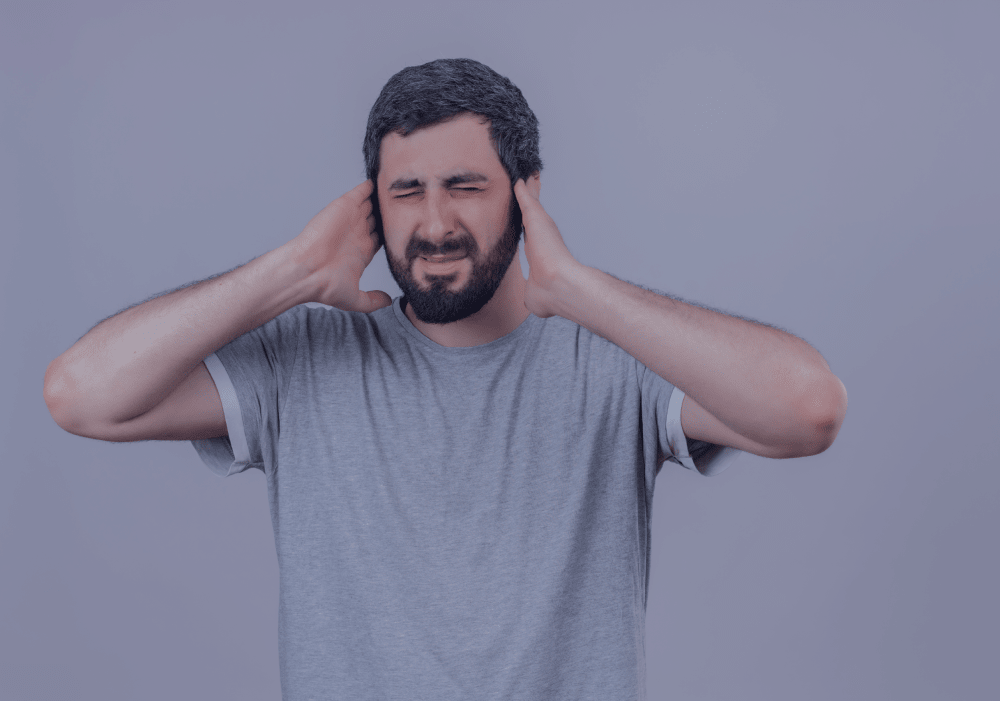
If you’ve ever noticed a ringing, buzzing, hissing, or humming sound in your ears—especially in quiet moments—you’re not alone. This experience is commonly called tinnitus. For some, it’s occasional and mild. For others, it can affect sleep, concentration, and daily comfort. The good news: while tinnitus isn’t always “curable,” it is highly manageable with the right approach, lifestyle habits, and medical guidance.
In this blog, we’ll cover the causes of tinnitus, common symptoms, and effective daily management strategies you can start today.
What is Tinnitus?
Tinnitus is the perception of sound when there is no external source. It may be heard in one ear, both ears, or “inside the head.” Tinnitus itself is not a disease—it’s usually a symptom of an underlying issue related to the ear, hearing pathway, or overall health.
Common Causes of Tinnitus
Tinnitus can have multiple triggers. Identifying the likely cause is an important step toward relief.
1) Hearing Loss (Age-Related or Noise-Induced)
The most common cause is sensorineural hearing loss, which can happen with aging or due to loud noise exposure (concerts, headphones at high volume, machinery).
2) Earwax Buildup or Ear Infections
Sometimes tinnitus happens because sound transmission is blocked, such as with impacted earwax, fluid in the ear, or infections.
3) Ear and Jaw Conditions
- Eustachian tube dysfunction (pressure issues)
- TMJ disorders (jaw joint strain) can contribute to ear ringing or fullness.
4) Medications
Certain medications can trigger or worsen tinnitus (some painkillers, antibiotics, diuretics, and others). Never stop a medicine suddenly—speak to a doctor first.
5) Stress, Anxiety, and Poor Sleep
Stress can amplify how your brain perceives tinnitus. Many people notice tinnitus becomes louder during stressful periods or after poor sleep.
6) Blood Pressure and Circulation Concerns
In some cases, tinnitus can be linked to circulation changes, hypertension, or vascular issues—especially if it sounds like a pulse.
Symptoms of Tinnitus
Tinnitus is more than just “ringing.” Symptoms can include:
- Ringing, buzzing, humming, whistling, or hissing sounds
- Sound that is constant or comes and goes
- Symptoms in one ear or both
- Ear fullness or pressure
- Difficulty sleeping
- Trouble focusing, irritability, or fatigue
- Increased sensitivity to sound (hyperacusis) in some cases
- Pulsatile tinnitus (rhythmic sound matching heartbeat) in certain cases
Effective Daily Management Tips for Tinnitus
Daily habits can significantly reduce the impact of tinnitus and improve quality of life.
1) Use Sound to Reduce Silence
Complete silence makes tinnitus feel louder. Try:
- A fan, soft music, or white noise
- Nature sounds (rain, ocean)
- Sound therapy apps at bedtime
This doesn’t “remove” tinnitus, but it can reduce the brain’s focus on the sound.
2) Protect Your Ears from Loud Noise
- Lower headphone volume
- Take listening breaks
- Use earplugs in noisy environments
Noise protection is essential to prevent worsening symptoms.
3) Improve Sleep Hygiene
Poor sleep increases sensitivity to tinnitus. Aim for:
- Fixed sleep/wake times
- Reduced caffeine late in the day
- Screen-free wind-down routine
- Calm audio or white noise for bedtime
4) Manage Stress (It Matters More Than You Think)
Stress can create a loop: tinnitus → anxiety → louder perception of tinnitus. Helpful habits:
- Deep breathing (2–5 minutes)
- Gentle exercise (walking, stretching)
- Mindfulness or relaxation practices
- Structured breaks during workdays
5) Watch Triggers (Not Everyone Has the Same Ones)
Some people notice tinnitus spikes with:
- Caffeine
- Nicotine
- Alcohol
- High salt intake
Instead of cutting everything at once, track patterns and adjust gradually.
6) Get Your Hearing Checked
If tinnitus is linked to hearing loss, hearing aids can sometimes reduce tinnitus by improving external sound input. A proper hearing evaluation can guide the next step.
When Should You See a Doctor?
Book an evaluation if tinnitus:
- Appears suddenly or after injury
- Is only in one ear
- Comes with dizziness, imbalance, or hearing loss
- Is pulsatile (heartbeat-like)
- Disrupts sleep, work, or mental wellbeing
An ENT consultation can help identify treatable causes and recommend evidence-based management options.
FAQs
1) Is tinnitus a disease?
No. Tinnitus is usually a symptom linked to hearing changes, ear conditions, stress, or other health factors.
2) Can tinnitus go away on its own?
Sometimes, especially if it’s caused by temporary factors like earwax buildup, infection, or short-term noise exposure. Persistent tinnitus should be evaluated.
3) What is the fastest way to reduce tinnitus at home?
You can’t always stop it instantly, but you can reduce its impact by using background sound, improving sleep, and avoiding loud noise exposure.
4) Does stress make tinnitus worse?
Yes. Stress often increases how strongly the brain notices tinnitus. Relaxation routines and better sleep can help.
5) Should I worry about tinnitus in one ear only?
It’s a reason to get checked—especially if it’s new, persistent, or associated with hearing loss or dizziness.
6) Are hearing aids useful for tinnitus?
In many cases, yes—especially when tinnitus is linked to hearing loss. A hearing test can confirm if this is a suitable option.
Conclusion
Tinnitus can feel frustrating, but with the right guidance and consistent daily habits, many people regain comfort and control. From protecting your ears and improving sleep to stress management and hearing assessment, small changes can create meaningful relief. If tinnitus is affecting your daily life, professional evaluation can help rule out underlying issues and build a practical plan for long-term management.
If you’re experiencing persistent ringing or buzzing in your ears, don’t ignore it. Medeor Hospital, Abu Dhabi offers expert ENT evaluation and hearing assessments to identify causes and guide effective treatment and management.
Book your appointment today and take the first step toward better hearing comfort.