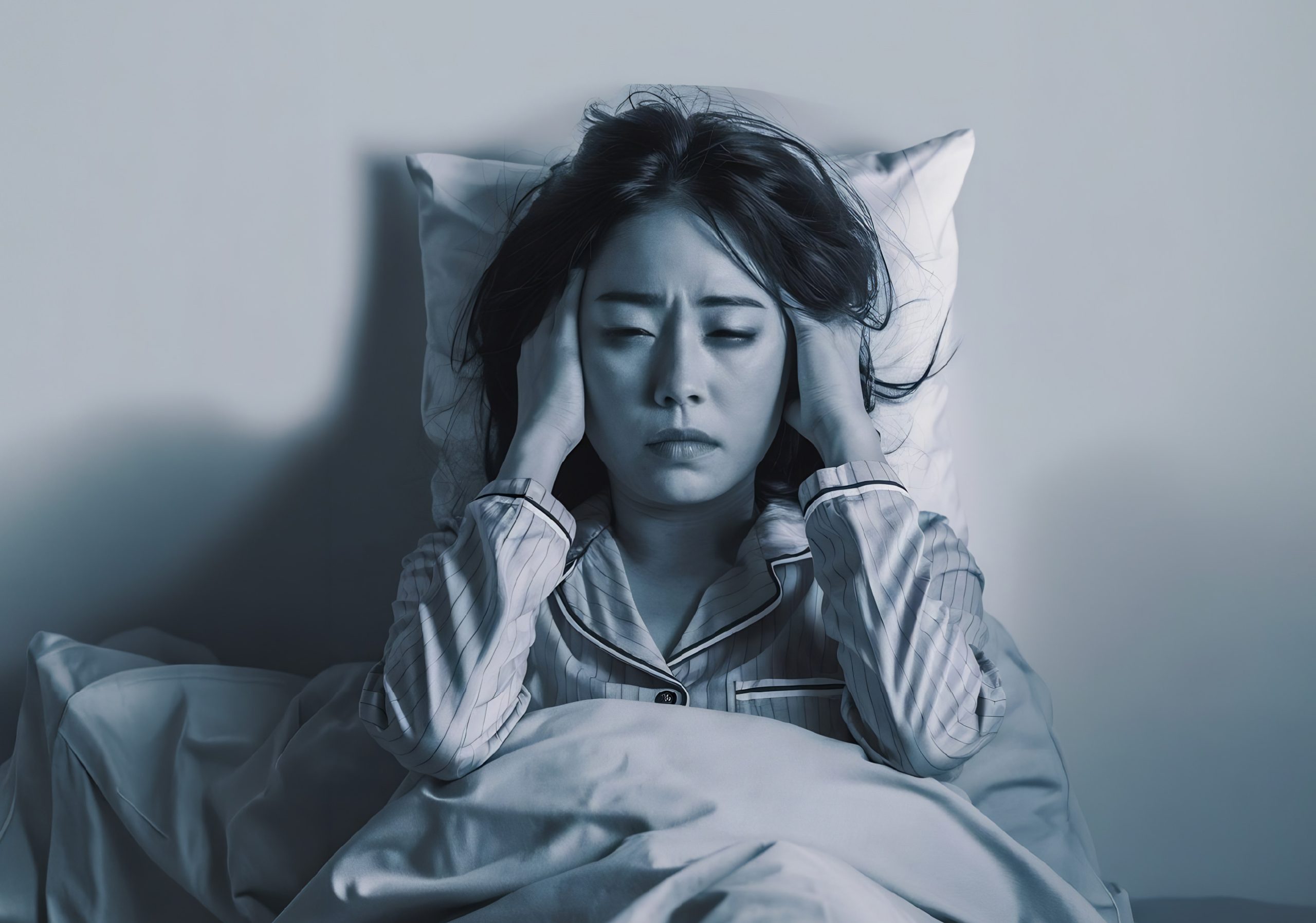
Struggling to fall asleep, stay asleep, or wake up feeling rested? You’re not alone. Insomnia is one of the most common sleep disorders, affecting people of all ages, and it’s also one of the most treatable — once you understand what’s causing it and what actually helps.
What Is Insomnia?
Insomnia is a sleep disorder marked by persistent difficulty falling asleep, staying asleep, or experiencing non-restorative sleep, even when you have enough time and opportunity to rest. Sleep itself is far more than “downtime” — it’s an active process during which the body repairs tissue, the immune system strengthens, the brain consolidates memories, and emotional balance is restored. When this process is disrupted night after night, the effects ripple into nearly every part of daily life.
How Much Sleep Do You Actually Need?
Sleep requirements change significantly across the lifespan:
- Infants (4–11 months): 12–15 hours
- Toddlers (1–2 years): 11–14 hours
- Preschoolers (3–5 years): 10–13 hours
- School-age children (6–13 years): 9–11 hours
- Teens (14–17 years): 8–10 hours
- Adults (18–64 years): 7–9 hours (some need as little as 6, others as much as 10)
- Older adults (65+): 7–8 hours
New mothers, especially in the first three months postpartum, often need more sleep than usual. Hormonal shifts during PMS can also disrupt sleep, leading to either hypersomnia (excessive sleep) or hyposomnia (insufficient sleep).
What Are the Common Symptoms of Insomnia?
The most frequently reported symptoms of insomnia include:
- Difficulty falling asleep and staying asleep
- Waking up too early
- Feeling anxious, irritable, or worried, especially at bedtime
- Persistent physical and mental fatigue throughout the day
What Causes Insomnia?
Insomnia often begins when stressors build up — work pressure, personal worries, or major life changes. Over time, this can create a vicious cycle: anxiety about not being able to sleep leads to more sleeplessness, which fuels more anxiety, making the problem self-perpetuating.
How Common Is Insomnia? Key Statistics
- A large share of people go to bed between 11 p.m. and 1 a.m.
- Roughly 1 in 6 people believe they suffer from insomnia.
- Nearly half of those with insomnia also report chronic back pain linked to poor sleep quality.
- About 80% of people with insomnia feel drowsy at work several days a week.
- The body experiences peak sleepiness three times in 24 hours — at bedtime, mid-afternoon (3–4 p.m.), and early morning (3–4 a.m.) — which is also when alertness-related accidents are most common.
What Are the Consequences of Untreated Insomnia?
Left unaddressed, insomnia can lead to:
- Fatigue and impaired concentration, resulting in decreased work performance or absenteeism
- Strain on personal and professional relationships
- In elderly individuals, a worsening of dementia symptoms
How Can You Improve Sleep Hygiene?
Sleep hygiene refers to the habits and environment that support healthy, consistent sleep. Small, sustainable changes — not a complete overhaul — are usually the most effective starting point.
During the day: Organize your day with structure, exercise regularly, avoid napping, and set aside dedicated time for problem-solving so worries don’t follow you to bed.
In the evening: Wind down with at least 30 minutes of calming activity like reading or music. Avoid alcohol, smoking, caffeine, and heavy meals close to bedtime. Keep your bedroom cool, dark, and free from morning light.
At bedtime: Go to bed only when you feel genuinely sleepy. Build in a 30–60 minute device-free buffer before sleep — no phone, TV, or laptop in bed. If you’re still awake after 20 minutes, get up and do something calming in dim light before trying again.
During the night: Avoid lying awake for more than 30 minutes if you wake up. Get up at the same time every morning, regardless of how the night went, and limit exposure to bright light, which suppresses melatonin production.
When Should You See a Specialist for Insomnia?
If sleep difficulties persist for more than a few weeks despite good sleep hygiene — or if they’re accompanied by ongoing anxiety, low mood, or stress — it’s worth consulting a specialist. At Medeor Hospital Dubai, Dr. Damanjit Kaur (MD Psychiatry), Specialist Psychiatrist, evaluates insomnia in the context of underlying psychological factors such as anxiety, depression, and chronic stress. Treatment approaches may include:
- Detailed psychiatric evaluation to identify root causes
- Cognitive Behavioral Therapy for Insomnia (CBT-I), a proven, non-medication first-line treatment
- Personalized treatment plans, including short-term, carefully monitored medication where appropriate
- Ongoing follow-up support to build sustainable, long-term sleep habits
Conclusion
Insomnia is common, but it isn’t something you have to live with. Most people see real improvement through consistent sleep hygiene practices, and when that’s not enough, targeted treatments like CBT-I offer lasting relief without long-term dependence on medication. The key is recognizing when self-help isn’t enough and seeking the right support early.
FAQs
1. What is the difference between occasional poor sleep and insomnia?
Occasional poor sleep happens to everyone. Insomnia is diagnosed when difficulty sleeping occurs at least three nights a week for over a month and noticeably affects daytime functioning.
2. Can insomnia be treated without medication?
Yes. Many people see significant improvement through CBT-I and sleep hygiene changes alone, without long-term reliance on sleep medication.
3. Is insomnia always caused by a mental health condition?
Not always, but anxiety, depression, and chronic stress are among the most common underlying causes, which is why a psychiatric evaluation can be helpful.
4. Does insomnia affect physical health, not just energy levels?
Yes. Chronic insomnia is linked to weakened immunity, mood disorders, weight gain, and a higher risk of conditions like hypertension and diabetes.
5. When should I book a consultation for insomnia?
If sleep problems have lasted more than a few weeks, are affecting your mood, work, or relationships, or come with persistent anxiety or low mood, it’s a good time to consult a specialist.
Ready to Sleep Better?
If insomnia is affecting your daily life, don’t wait it out. Book an appointment with Dr. Damanjit Kaur (MD Psychiatry), Specialist Psychiatrist at Medeor Hospital Dubai, and take the first step toward restful nights and better days. Call us or visit our website to schedule your appointment today.