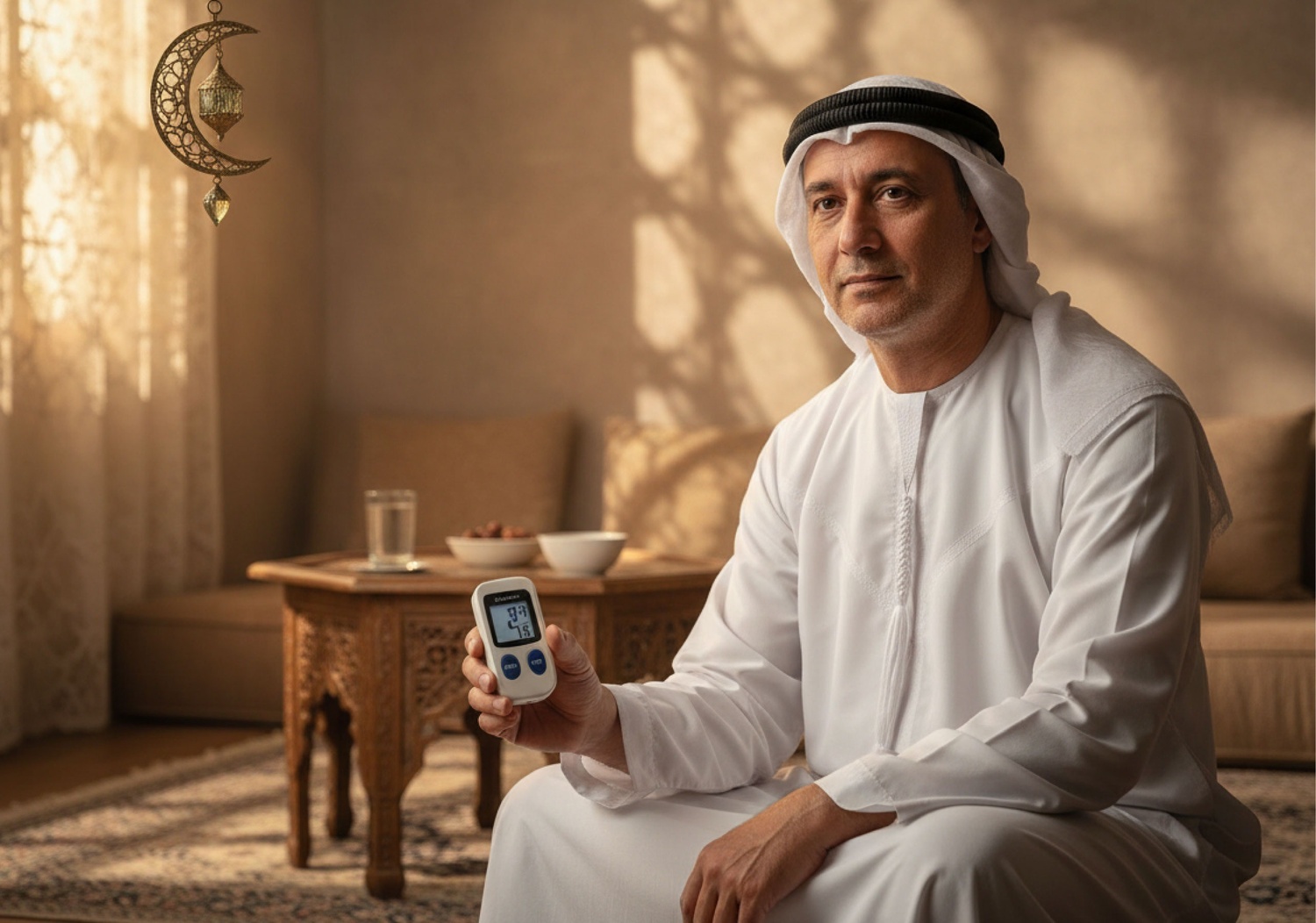
Ramadan is a deeply spiritual time marked by fasting from dawn to sunset. For people living with diabetes, however, fasting can present unique health challenges. Many individuals wish to observe the fast while maintaining their well-being — but doing so safely requires careful planning, medical supervision, and awareness of potential risks.
At Medeor Hospital, Dubai, our experienced Internal Medicine specialists emphasize that fasting with diabetes is possible for some patients — but not for everyone. The key is personalized medical guidance before Ramadan begins.
Can People with Diabetes Fast During Ramadan?
Islam exempts individuals with serious medical conditions from fasting. However, many people with diabetes choose to fast and can do so safely if their condition is stable and well-controlled.
Your doctor will evaluate factors such as:
- Type of diabetes (Type 1 or Type 2)
- Blood sugar control
- Current medications or insulin use
- History of hypoglycemia (low sugar episodes)
- Presence of complications (kidney, heart, eye disease)
- Overall physical health
Patients with poorly controlled diabetes, frequent hypoglycemia, or serious complications are usually advised not to fast.
Potential Risks of Fasting with Diabetes
Fasting alters meal timing, sleep patterns, and medication schedules — all of which can destabilize blood glucose levels.
Hypoglycemia (Low Blood Sugar)
Skipping meals can cause dangerous drops in blood sugar, especially in those taking insulin or certain oral medications. Symptoms include sweating, dizziness, confusion, and fainting.
Hyperglycemia (High Blood Sugar)
Overeating at Iftar or consuming sugary foods can cause spikes in blood glucose.
Dehydration
Long fasting hours, especially in warm climates like the UAE, can lead to dehydration, which worsens blood sugar control.
Diabetic Ketoacidosis (DKA)
A serious complication more common in Type 1 diabetes, caused by very high blood sugar and lack of insulin.
Who Should NOT Fast?
Medeor’s Internal Medicine doctors typically advise against fasting if you have:
- Type 1 diabetes with poor control
- Frequent low blood sugar episodes
- Severe hypoglycemia history
- Pregnancy with diabetes
- Advanced kidney or heart disease
- Acute illness or infection
- Elderly patients with frailty
- Recent hospitalization for diabetes complications
Your safety comes first — and Islam allows exemptions for medical reasons.
Safe Fasting Tips for Diabetics
If your doctor confirms that you can fast, these evidence-based precautions can help you stay safe.
1. Never Skip Suhoor
Eat your pre-dawn meal as late as possible. Include slow-digesting carbohydrates, protein, and healthy fats to maintain stable blood sugar.
Good choices: oats, whole grains, eggs, yogurt, nuts, lentils.
2. Break Your Fast Wisely at Iftar
Start with water and a small portion of dates (as traditionally recommended), then follow with a balanced meal.
Avoid:
- Sugary desserts
- Fried foods
- Large portions
- Sweetened beverages
Choose grilled proteins, vegetables, whole grains, and soups.
3. Stay Hydrated
Drink plenty of water between Iftar and Suhoor. Limit caffeinated drinks, which increase fluid loss.
4. Monitor Blood Sugar Regularly
Checking blood glucose does NOT break the fast. Frequent monitoring helps detect dangerous highs or lows early.
Recommended times:
- Before Suhoor
- Midday
- Late afternoon
- Two hours after Iftar
- Whenever symptoms occur
5. Adjust Medications — Only with Medical Advice
Never change doses on your own. Your doctor may adjust timing or quantity of insulin or oral medications for Ramadan.
6. Know When to Break the Fast
You must break your fast immediately if:
- Blood sugar drops below 70 mg/dL
- Blood sugar rises above 300 mg/dL
- You feel dizzy, weak, confused, or unwell
- You experience dehydration symptoms
- You develop chest pain or shortness of breath
Protecting your health is not a violation of faith.
FAQs
1. Can people with Type 2 diabetes fast safely?
Many individuals with well-controlled Type 2 diabetes can fast under medical supervision, but assessment is essential.
2. Does testing blood sugar break the fast?
No. Finger-prick testing is allowed and strongly recommended.
3. Should insulin users fast?
Some insulin-dependent patients may fast safely with adjusted regimens, but others may be advised not to.
4. Are dates safe for diabetics at Iftar?
Yes, in small quantities (1–2 dates), as part of a balanced meal.
5. What is the biggest danger while fasting?
Hypoglycemia (low blood sugar) is the most immediate and potentially life-threatening risk.
Consult Medeor’s Internal Medicine Experts
Planning to fast with diabetes this Ramadan? Don’t do it alone.
The experienced Internal Medicine doctors at Medeor Hospital, Dubai provides comprehensive pre-Ramadan assessments, medication adjustments, and personalized safety plans.
Conclusion
Fasting during Ramadan with diabetes is possible for some individuals — but it must be approached carefully and responsibly. Understanding your risks, monitoring your blood sugar, eating wisely, and staying hydrated are essential steps for a safe fasting experience.
Most importantly, consult qualified medical professionals before making your decision. With guidance from Medeor Hospital’s Internal Medicine specialists, you can honor the spiritual significance of Ramadan while protecting your long-term health.
A safe fast is a meaningful fast — for both body and soul.