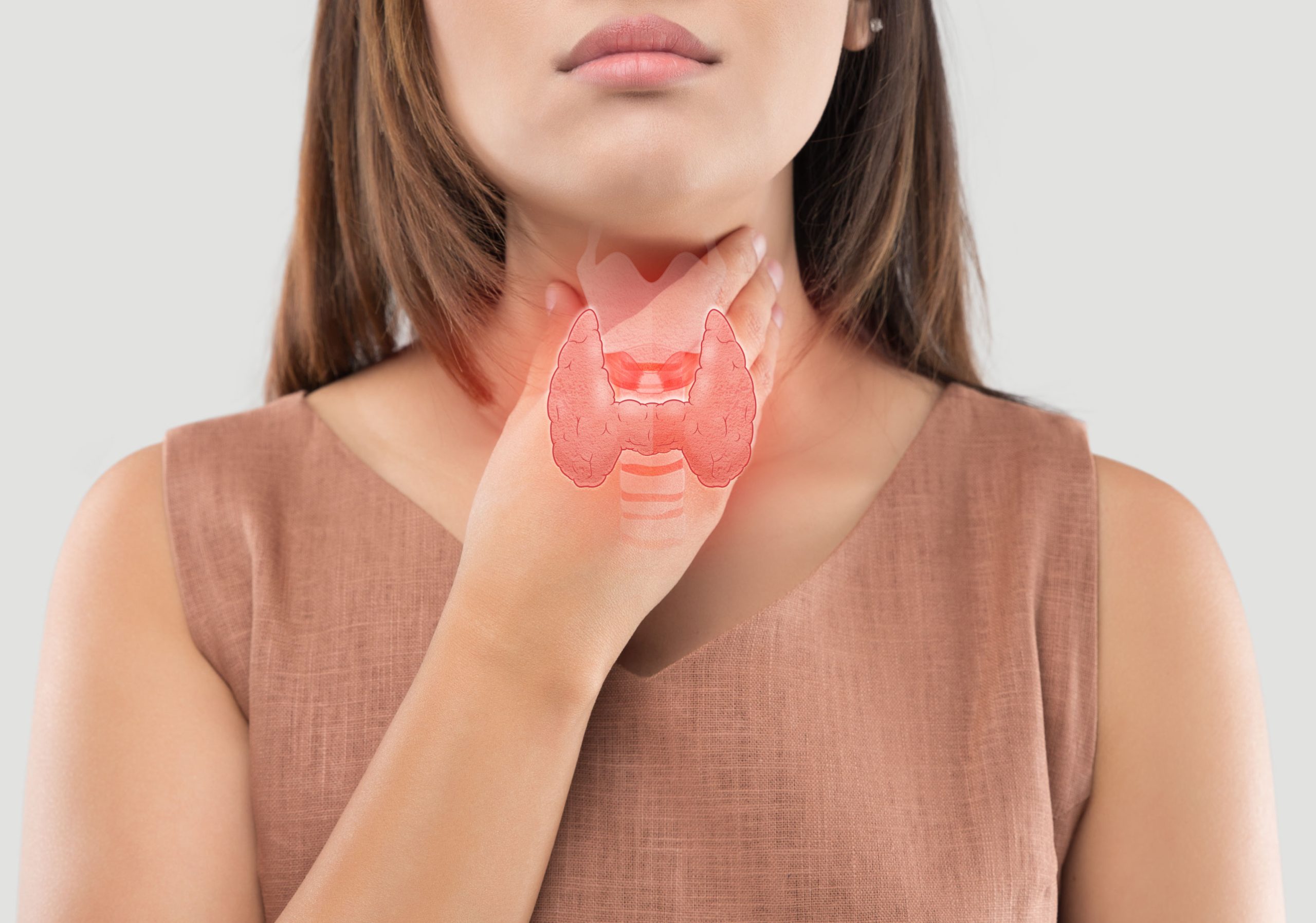
The thyroid may be small, but its impact on the body is enormous. From metabolism and energy levels to heart rate, mood, and weight, the thyroid gland plays a vital role in keeping the body in balance. When something goes wrong, timely diagnosis and the right treatment can restore health and peace of mind.
This blog explains what is thyroid, common thyroid symptoms, how thyroid conditions are diagnosed, and the main thyroid treatment options—medication, surgery, and radioiodine therapy—with a focus on modern, evidence-based care.
What is thyroid and why is it important?
The thyroid is a butterfly-shaped gland located at the front of the neck. It produces thyroid hormone (mainly T3 and T4), which regulates metabolism, body temperature, heart function, digestion, and brain development.
The release of thyroid hormone is controlled by thyroid stimulating hormone (TSH), produced by the pituitary gland. When thyroid hormone levels are low, TSH rises to stimulate the gland. When hormone levels are high, TSH drops. This delicate balance is central to diagnosing and managing thyroid disease.
Thyroid disease: common types
Thyroid disease is an umbrella term that includes several conditions, such as:
- Hypothyroidism – underactive thyroid (low hormone levels)
- Hyperthyroidism – overactive thyroid (high hormone levels)
- Hashimoto’s thyroiditis – an autoimmune cause of hypothyroidism
- Thyroiditis – inflammation of the thyroid, often temporary
- Thyroid nodules – lumps within the thyroid, usually benign but sometimes requiring evaluation
Each condition has different causes and treatment approaches.
Thyroid symptoms: what to watch for
Symptoms vary depending on whether the thyroid is underactive or overactive and may differ between men and women.
Symptoms of thyroid in female
- Unexplained weight gain or weight loss
- Irregular menstrual cycles
- Fatigue and low energy
- Hair thinning or hair loss
- Cold or heat intolerance
- Mood changes, anxiety, or depression
Thyroid symptoms in male
- Fatigue and muscle weakness
- Weight changes
- Reduced libido
- Mood disturbances
- Heat or cold intolerance
General thyroid symptoms can be subtle and are often mistaken for stress or lifestyle issues, which is why testing is important.
Thyroid test: how diagnosis is made
A thyroid test typically begins with blood work to measure:
- TSH (thyroid stimulating hormone)
- Free T3 and Free T4 (thyroid hormone levels)
Depending on results, further tests may include:
- Thyroid antibody tests (to detect Hashimoto’s thyroiditis or other autoimmune causes)
- Ultrasound of the thyroid (to assess thyroid nodules)
- Radioiodine uptake scan (in selected cases of hyperthyroidism)
- Fine needle aspiration (FNA) biopsy for suspicious nodules
Accurate diagnosis ensures that treatment is targeted and effective.
Thyroid treatment options
Treatment depends on the type of thyroid disorder, severity, symptoms, age, and overall health.
1. Medication
Medication is the most common and often the first-line treatment.
For hypothyroidism
- Levothyroxine replaces missing thyroid hormone.
- It is a long-term treatment in most cases, especially in Hashimoto’s thyroiditis.
- Regular blood tests ensure the dose keeps TSH and thyroid hormone levels in the normal range.
For hyperthyroidism
- Anti-thyroid medications reduce excess hormone production.
- These are often used as initial therapy or to control symptoms before other treatments.
Medication is safe, effective, and well-tolerated when monitored correctly.
2. Radioiodine therapy
Radioiodine therapy is commonly used for certain cases of hyperthyroidism and some thyroid nodules.
- It involves taking a radioactive iodine capsule or liquid.
- The thyroid gland absorbs iodine, so the radiation selectively destroys overactive thyroid tissue.
- It does not require surgery and is usually a one-time treatment.
After radioiodine therapy, some patients may develop hypothyroidism and need lifelong thyroid hormone replacement. This outcome is expected and manageable with medication.
3. Thyroid surgery
Surgery may be recommended when:
- Large thyroid nodules cause difficulty swallowing or breathing
- Nodules are suspicious or cancerous
- Hyperthyroidism does not respond to medication or radioiodine
- There is a large goiter affecting quality of life
Modern thyroid surgery is safe when performed by experienced surgeons. Depending on the condition, part or all of the thyroid gland may be removed, followed by thyroid hormone replacement if needed.
Latest advances in thyroid treatment
Recent advances focus on:
- Precision dosing of thyroid hormone for better symptom control
- Improved imaging and biopsy techniques for thyroid nodules
- Minimally invasive surgical approaches
- Better long-term monitoring tools for stable thyroid disease management
These developments help personalize care and improve outcomes for patients.
Living well with thyroid disease
With the right treatment and follow-up, most people with thyroid disease live normal, healthy lives. Regular check-ups, medication adherence, and periodic thyroid tests are key to long-term control.
Thyroid care at Medeor Hospital, Dubai
At Medeor Hospital, Dubai, our expert specialists, highly skilled in endocrine disorders, deliver complete thyroid care —from accurate diagnosis and personalized treatment plans to long-term follow-up. We manage a full spectrum of thyroid conditions, including hypothyroidism, hyperthyroidism, thyroiditis, Hashimoto’s thyroiditis, and thyroid nodules, using evidence-based and patient-focused approaches.
If you’re experiencing thyroid symptoms or have abnormal thyroid test results, don’t delay care. Book a consultation at Medeor Hospital, Dubai today for expert evaluation and the right thyroid treatment plan—because balanced hormones lead to better health and quality of life.